



CYCLE · SPACE · TIME

Cycle, space and time recur in what we build, where we go, and how we get there.

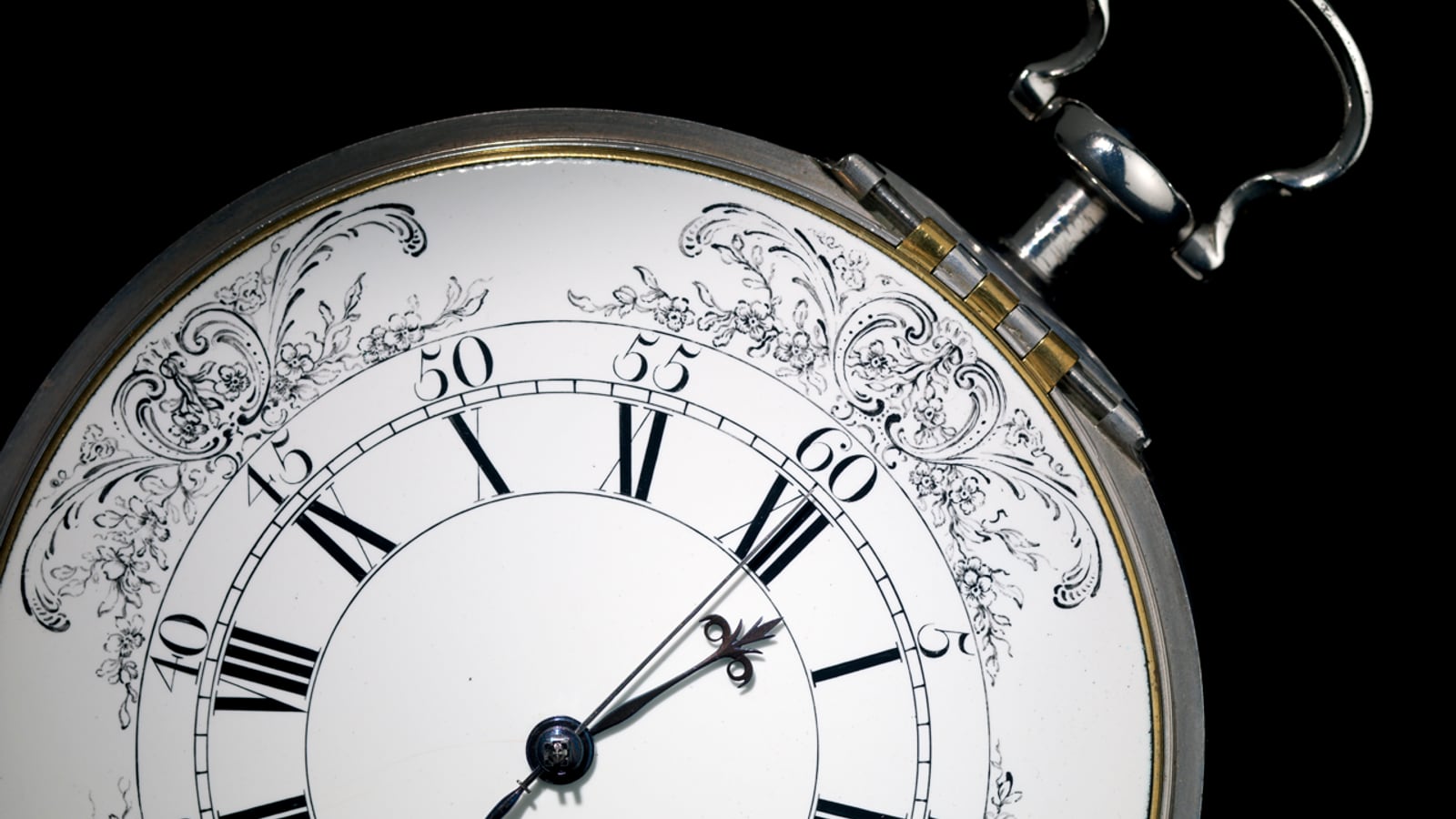
A wheel turning, a tide rising and falling, the whole sky caught on a brass disc. The same three lights keep appearing at every step forward across sixty-eight thousand years.

CYCLE SPACE TIME
CYC×SPA
SPA×TIM
TIM×CYC
MOVE TO MIX THE LIGHT · SCROLL TO READ ↓
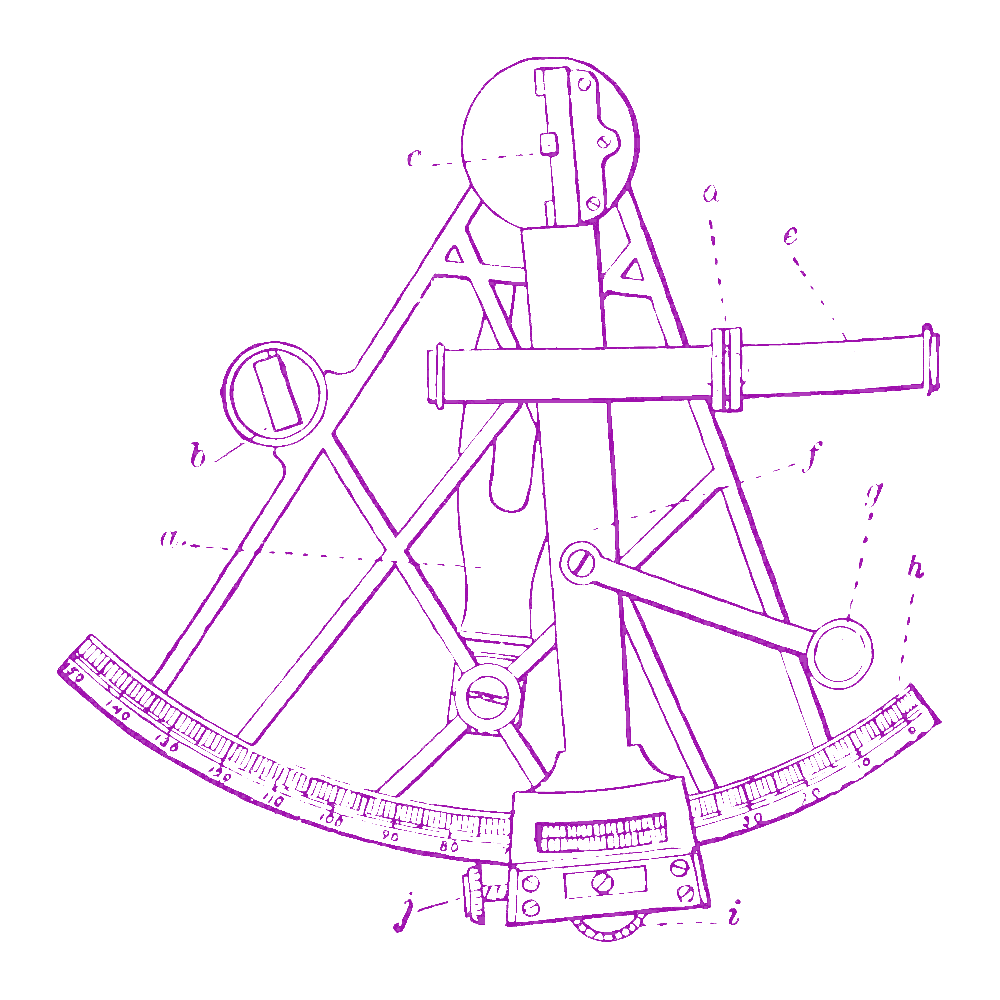
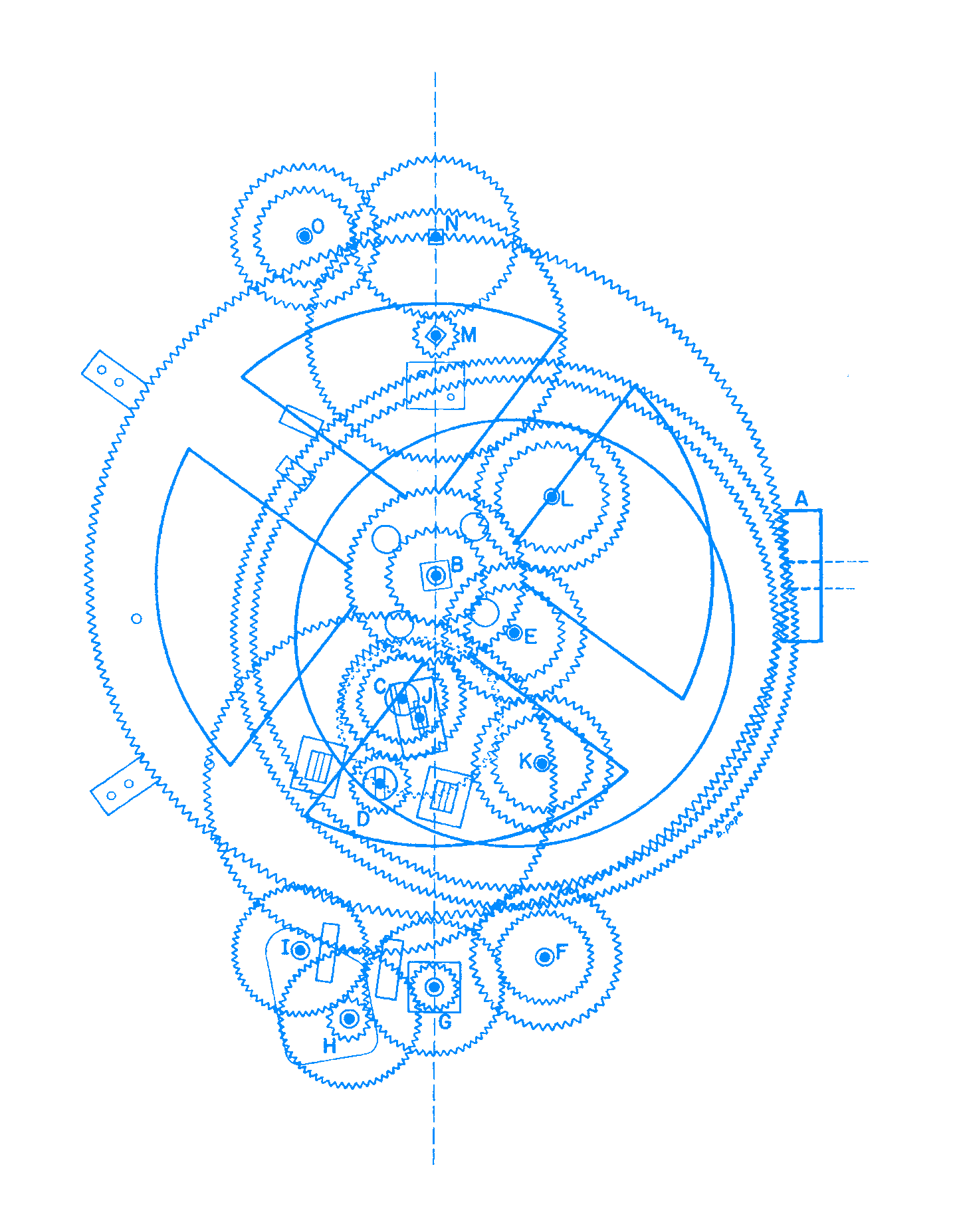
Astrolabe blueprint, the instruments of the journey
WITHIN TIME · THE LONG JOURNEY

The Hand and the Stars

From a handprint on a cave wall to a rover's shadow on Mars; how we learned to read the sky, fix our place, and find our way.

FOLLOW THE THREAD →
The Hand and the Stars 12 of 17 live
01 · c. 68,000 BP

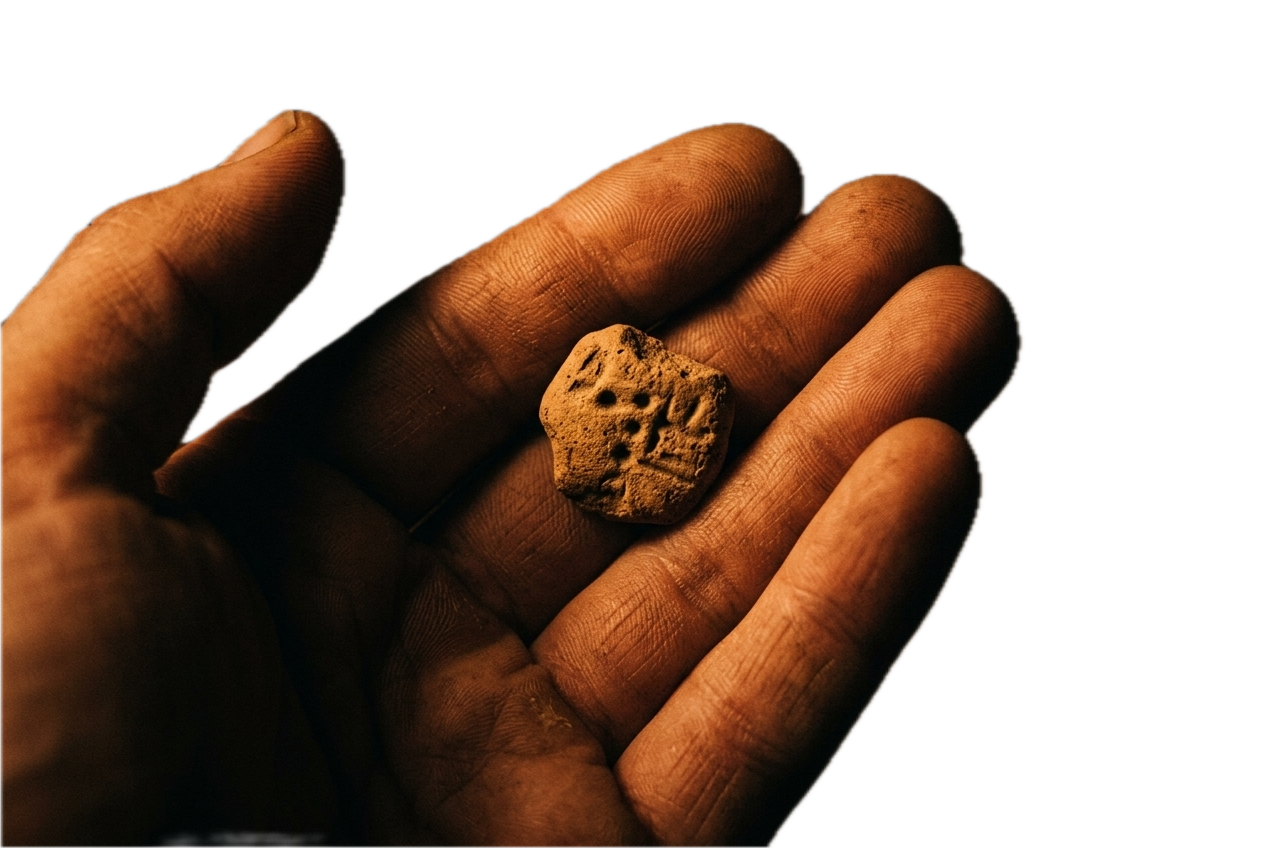
The Hand

Long before we built machines to map the stars, a modified silhouette on an ancient wall showed that our minds were already altering reality in the dark.

02 · c. 3500 BCE

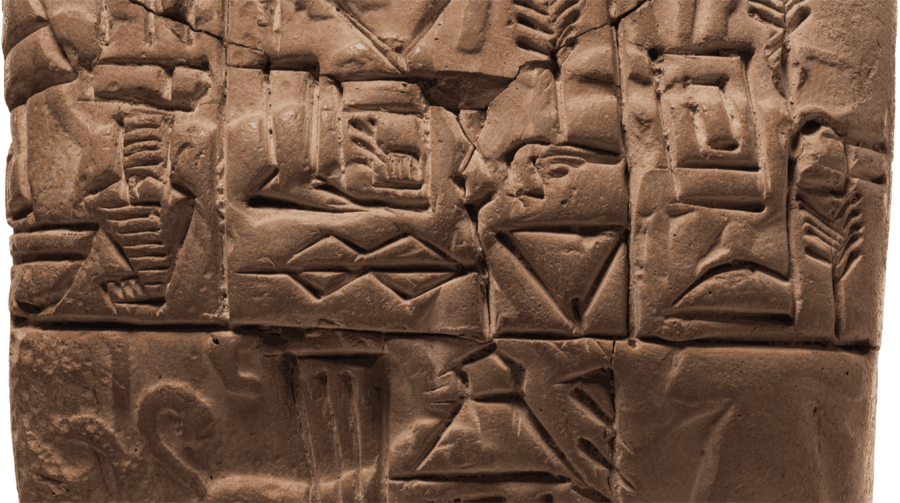
The Word

From counting barley on river mud to mapping the planets; how an accounting trick became a human superpower.

03 · c. 2000 BCE

The Number

Tracking the loop: how a Bronze Age counting tool left the mud to become humanity's most enduring routine.

04 · 150 BCE – 820 CE

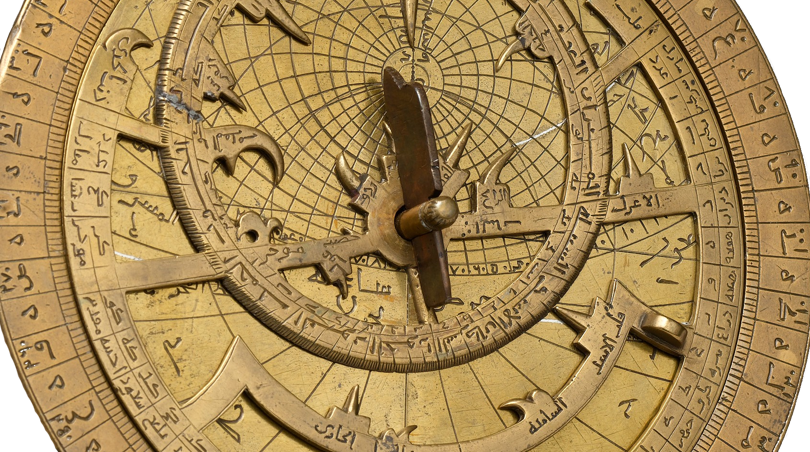
The Astrolabe

The first global positioning device, sixteen hundred years old, that could tell you half of where you stand

05 · 628–830 CE

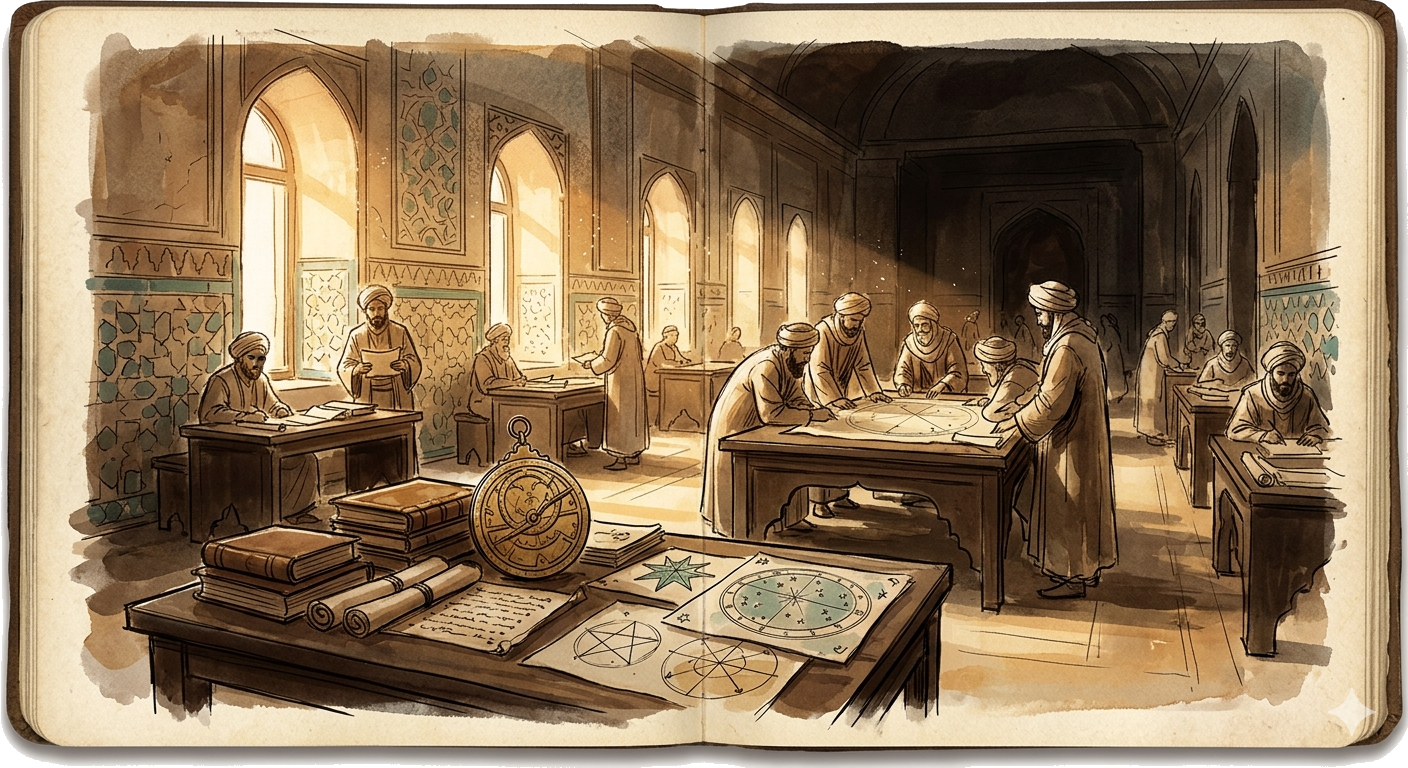
House of Wisdom

How a captured student, a borrowed zero and one desk in Baghdad built the algorithm.

06 · 1440–1504

The Press

Before satellites mapped the globe, the printing press gave sailors a shared network for reading the sky

07 · 1286–1610

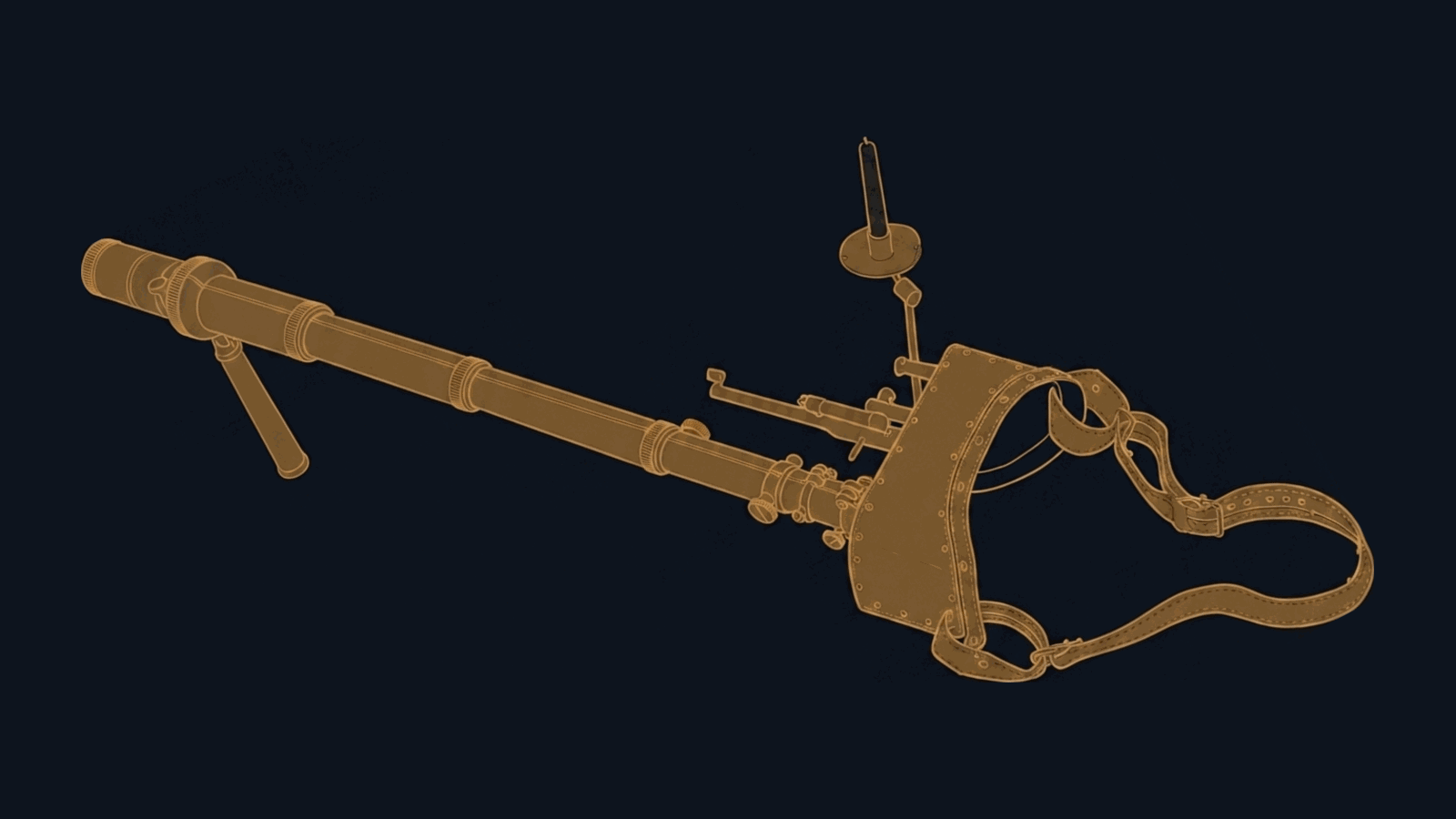
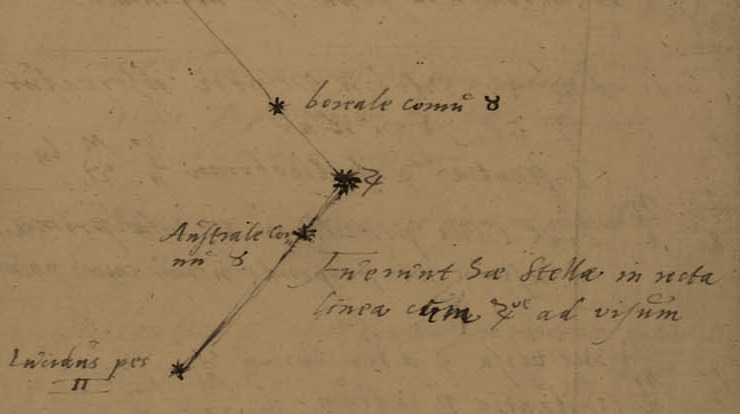
The Glass Eye

How a ground lens and a tube found Jupiter's moons, only for a human heartbeat to scupper the sky clock and accidentally reveal the speed of light

08 · 1609

The Sky Reframed

Two thousand years of perfect circles, squashed by a gap a quarter the width of the moon.

09 · 1687

The Language of Motion

From a London coffeehouse in 1684 to a seven-minute thruster burn four billion kilometres away: the three-century reach of a single geometric law

10 · 1759

The Longitude Problem

A fleet lost off Scilly because no clock could keep time at sea; the fix forty years in the making; and a longer fight with the office sworn to reward it.

11 · 1769 onward

The Engine

From a damp coal pit to the edge of space, a two-century development of mechanical precision that turned fire into flight

12 · 1820–1895

Invisible Forces

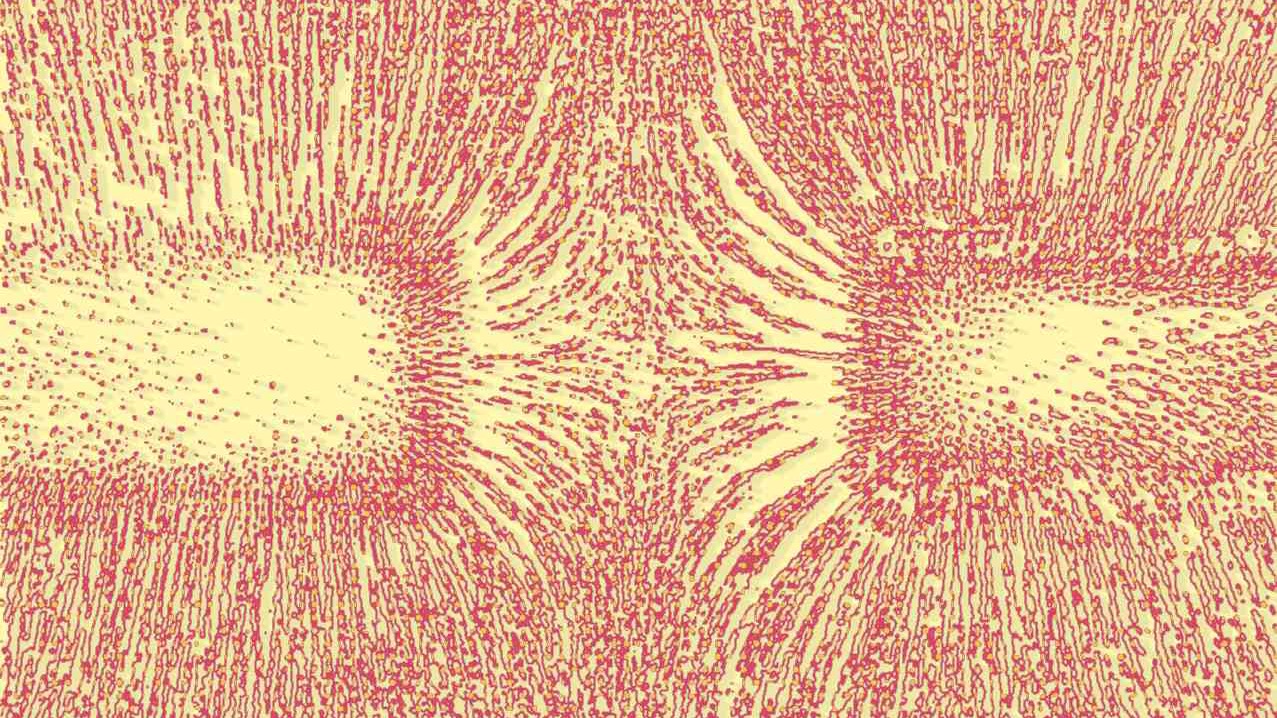
How a twitching compass needle and a spark in a darkened room became the instrument that still finds a machine we can no longer see, billions of kilometres out in the dark.

All 17 The series →
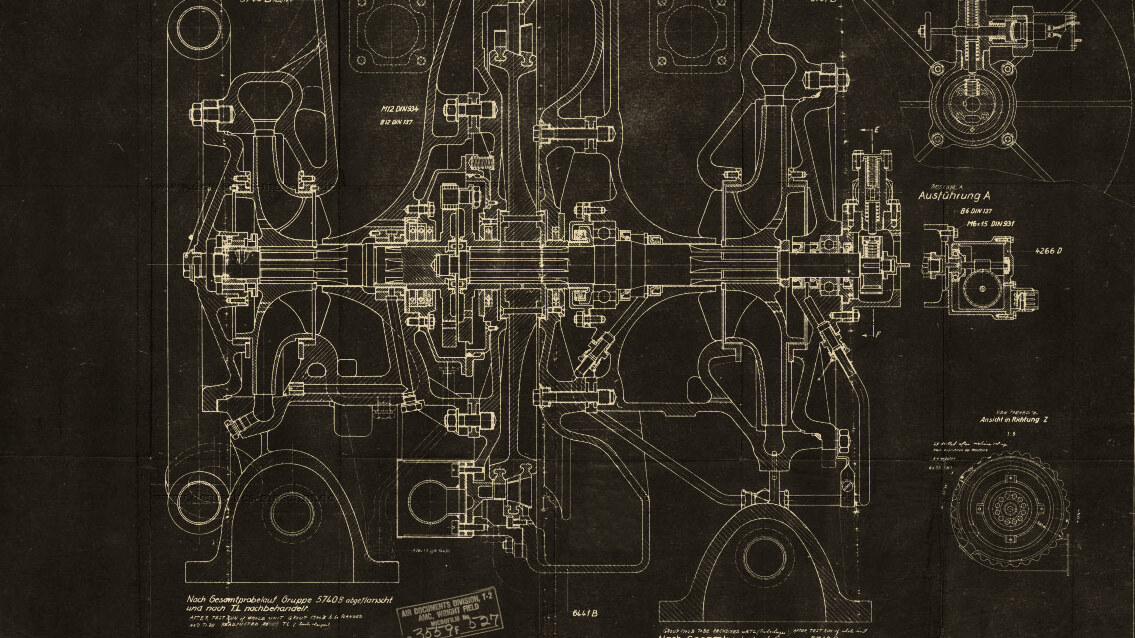
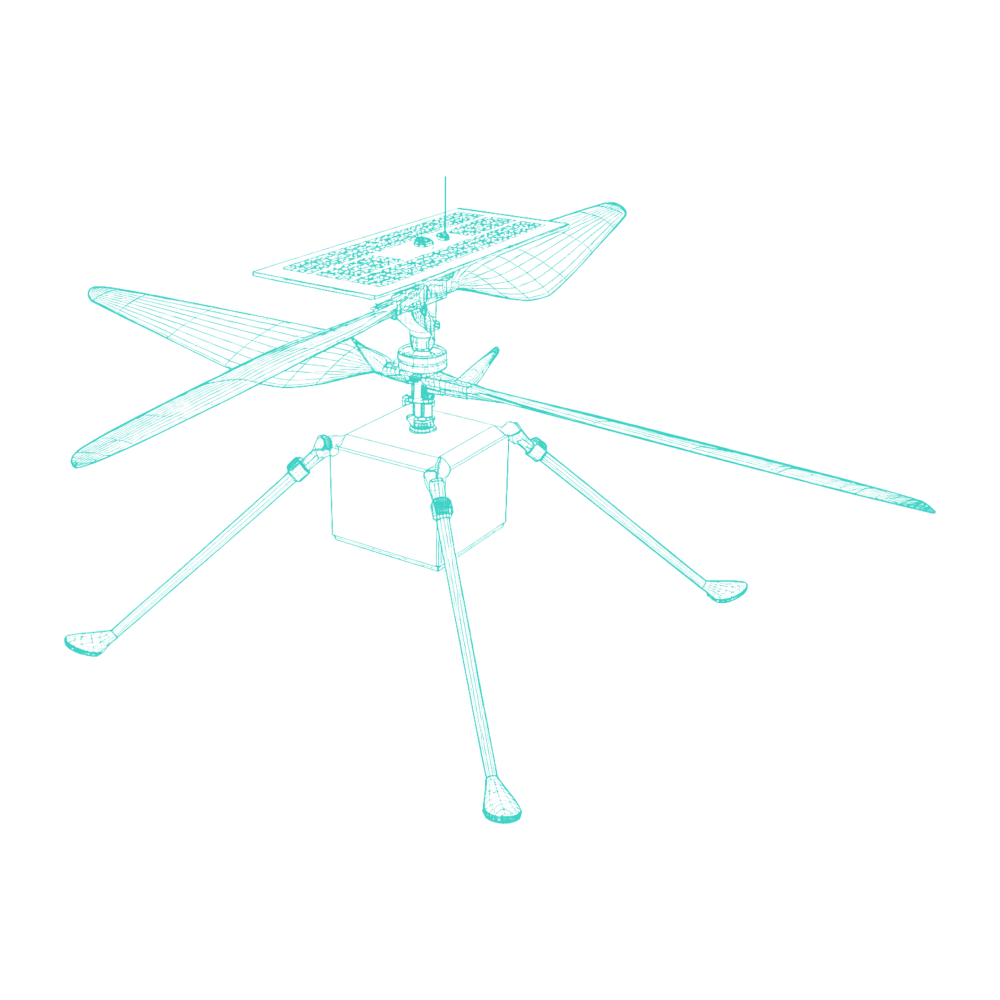
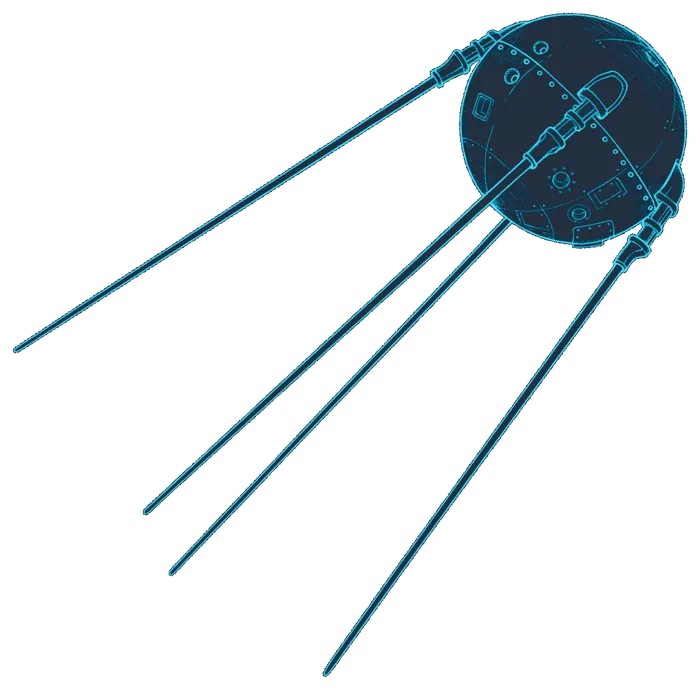
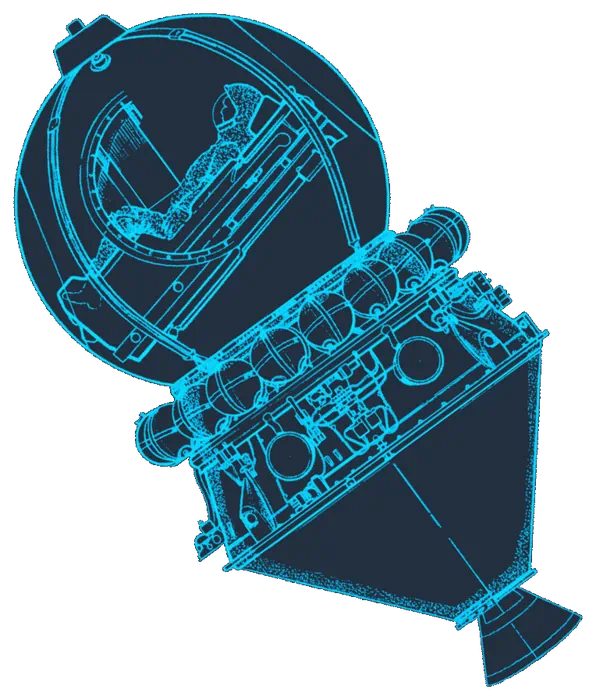
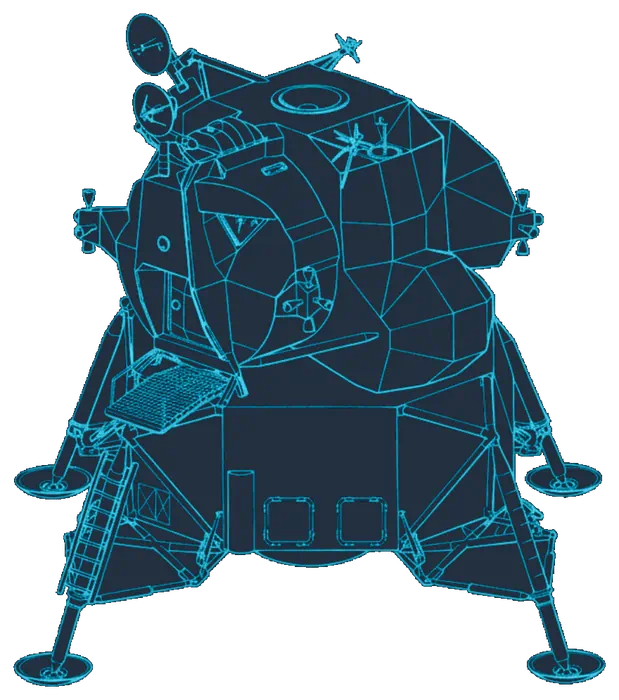
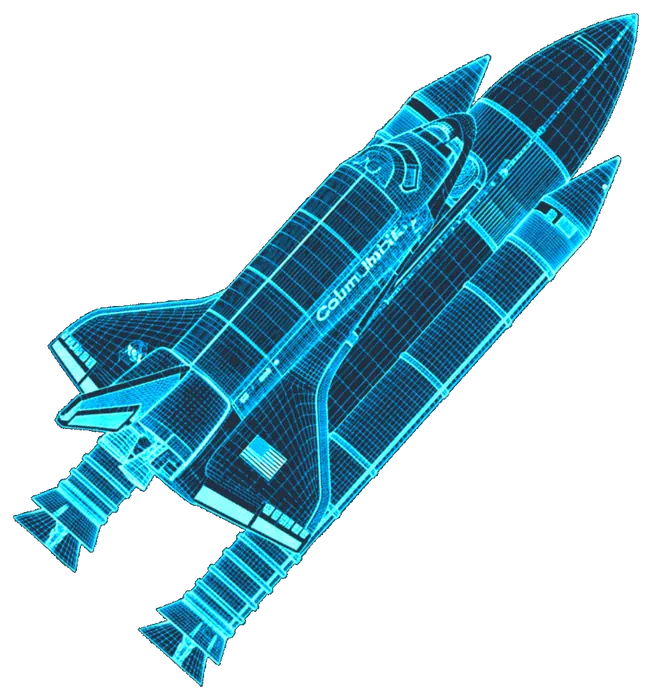
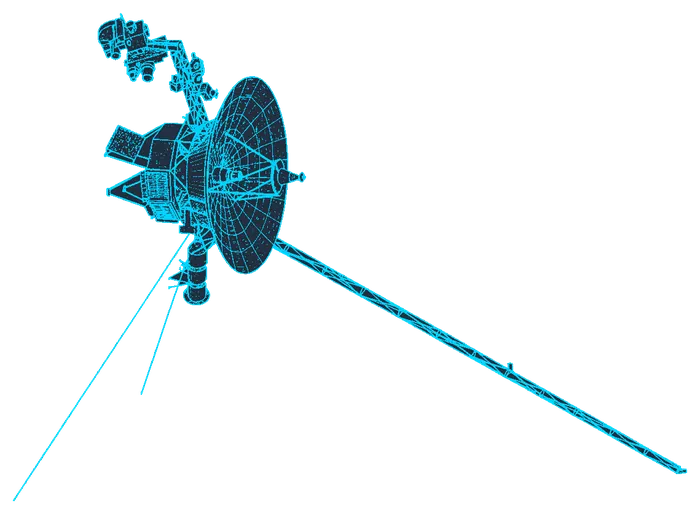
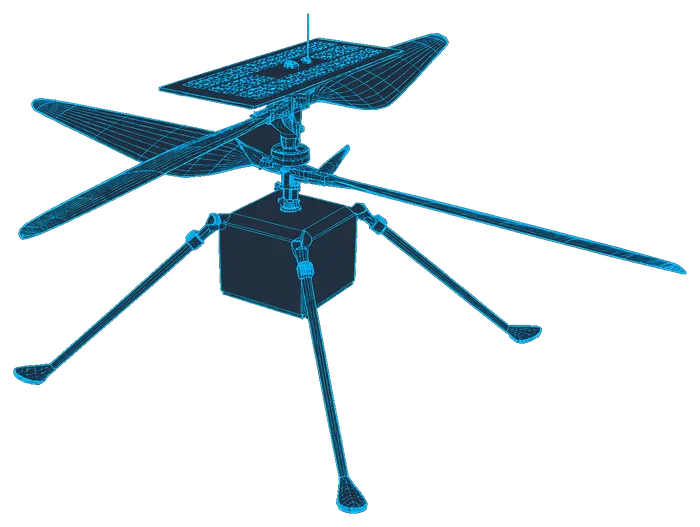
Spacecraft blueprint, a pioneering first
WITHIN SPACE · THE ARCHIVE ROOM

Cosmic Pioneers
The Blueprints

The definitive spacecraft exploring our solar system and beyond, each one the first of its kind. The machines that took humanity from looking at the sky to venturing into it.

ENTER THE ARCHIVE →
Cosmic Pioneers Six craft
01 · 1957

Sputnik 1

First artificial Earth satellite

02 · 1961

Vostok 1

First human spaceflight

03 · 1969

Apollo 11

First crewed Moon landing

04 · 1981

Space Shuttle Columbia

First reusable orbital spacecraft

05 · 2012

Voyager 1

First craft to enter interstellar space

06 · 2021

Ingenuity

First powered flight on another planet

All 6 The archive →
Where the pattern showsField Notes
The three lights

Cycle

Motion, recurrence, the physical journey. Cycling routes and bike technology sit beside orbital mechanics, gearwork, and emergence: the idea that simple rules, repeated, produce complexity.

REVOLUTION CHAIN

Space

Space starts on the ground, the distance between here and there. It scales up to the cosmos treated as a living history: active missions, spacecraft as artefacts, the philosophy of what we leave out there, and what we're still finding.

MIND THE GAP

Time

The broadest pillar. Deep time, measured time, felt time. Why an hour can pass like a minute on a long ride. Time experienced, not only counted.

TEMPO SHIFT
SPACE × TIME · FIELD NOTE
"We talked about time and space, two very important concepts in football... about managing that when you are pressing, so you limit time and space. We gave them way too much time and space in the first half."
JONAS EIDEVALL · ARSENAL WOMEN
POST-MATCH · 19 NOVEMBER 2023 · ARSENAL 3–0 BRIGHTON

He was describing pressing tactics. He was also describing the laws of physics. He didn't know.