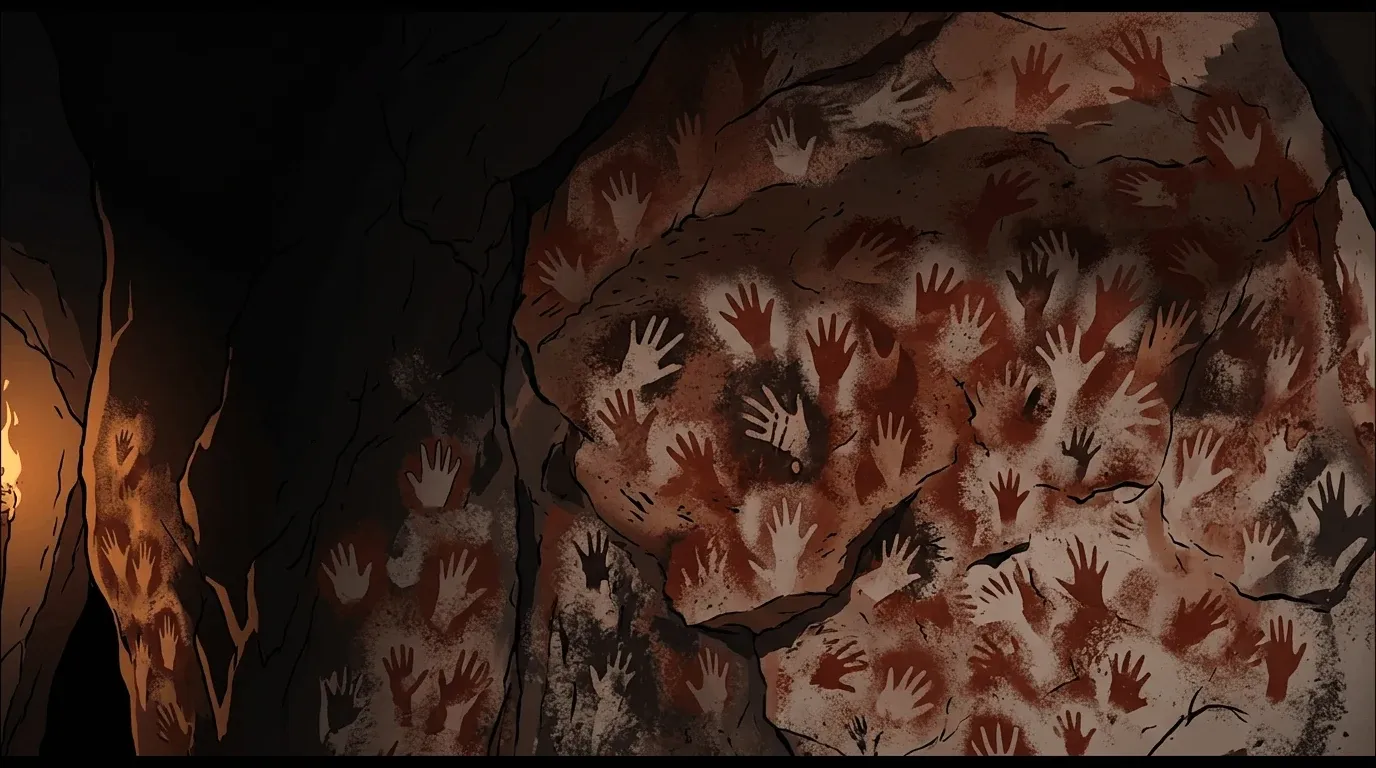
01 · c. 68,000 BP
The Hand
Long before we built machines to map the stars, a modified silhouette on an ancient wall showed that our minds were already altering reality in the dark.
The “here and now” is easy to point at, and surprisingly hard to explain.
We have been working on it for tens of thousands of years. A hand on a cave wall, a star crossing the night sky, a clock carried across an ocean: each gave us another way to fix our place in a moving world.
The story follows three strands
Cycle
the motions that repeat
Space
the distances and directions between things
Time
the count that turns a sighting into a position
They separate and meet again across centuries. The braid carries the mix: each strand thickens where an episode leans on it. The Longitude Problem, solved by a clock, is mostly violet.
01 · c. 68,000 BP
Long before we built machines to map the stars, a modified silhouette on an ancient wall showed that our minds were already altering reality in the dark.
Between 01 and 02
68,000years ago
More than sixty thousand years pass between the hand and the word.
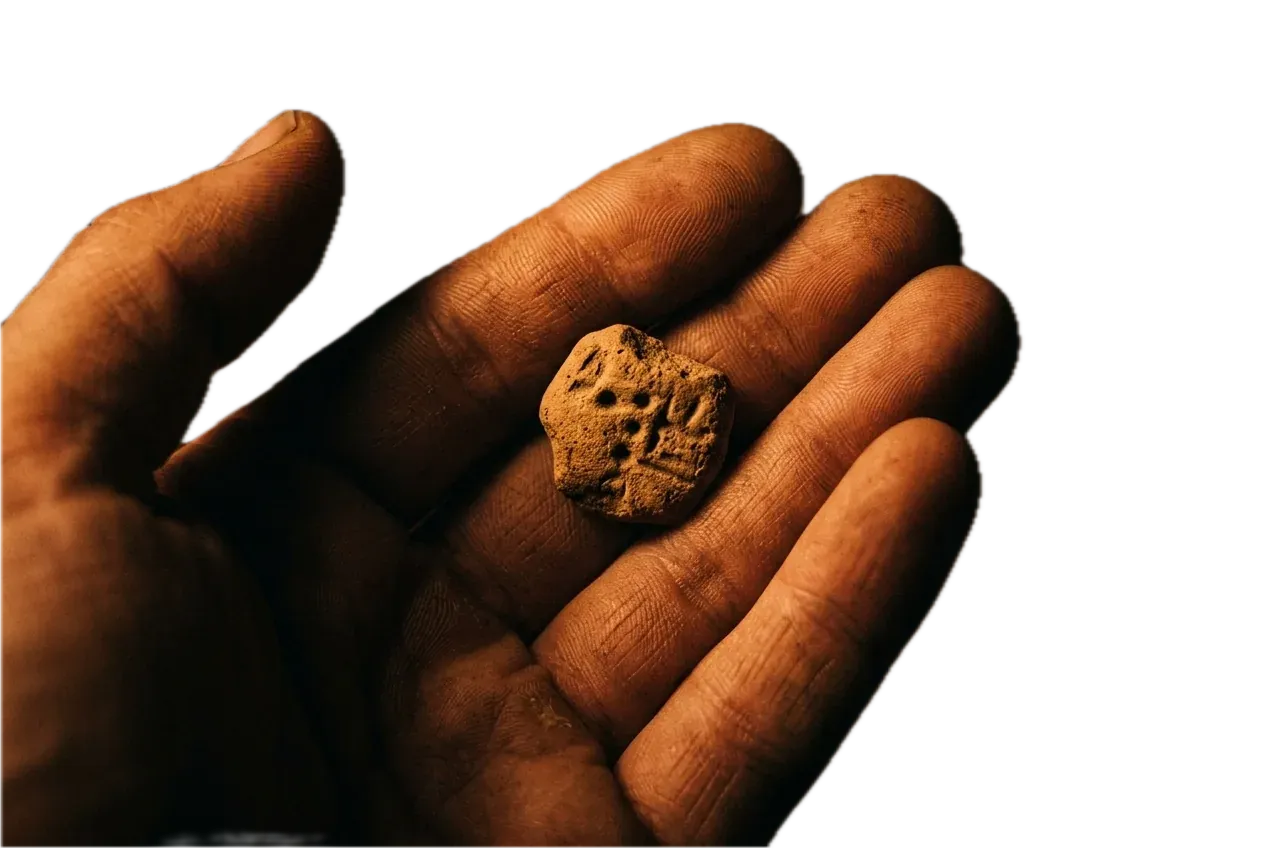
02 · c. 3500 BCE
A mark could say "I was here", but it could not yet say how many, or whose. From counting barley on river mud to recording the planets: how an accounting trick became a human superpower.
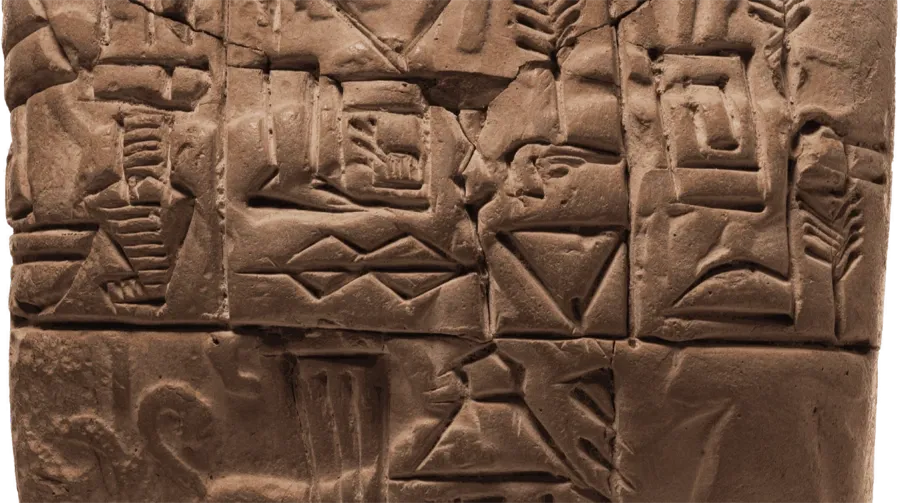
03 · c. 2000 BCE
Once the marks broke away from the sheep and grain they counted, numbers could stand on their own. How a Bronze Age count of sixty left the mud to become the circle that was integral to future instruments.
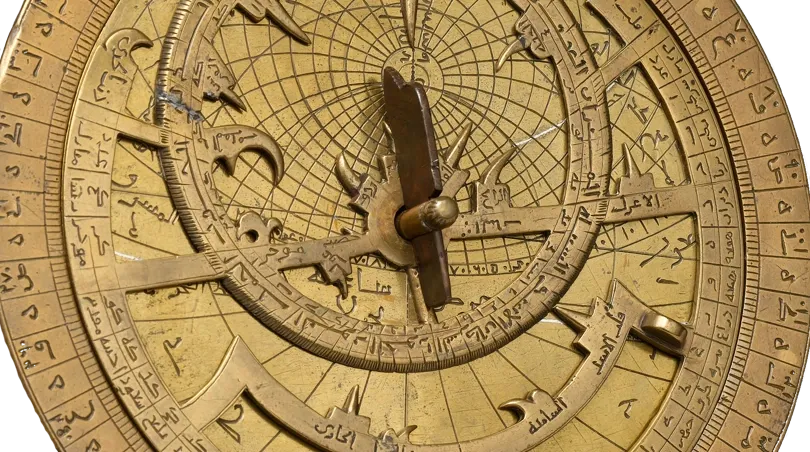
04 · 150 BCE – 820 CE
The divided circle, cast in brass, became the first positioning device, and for sixteen hundred years it answered half of the question "where am I?"
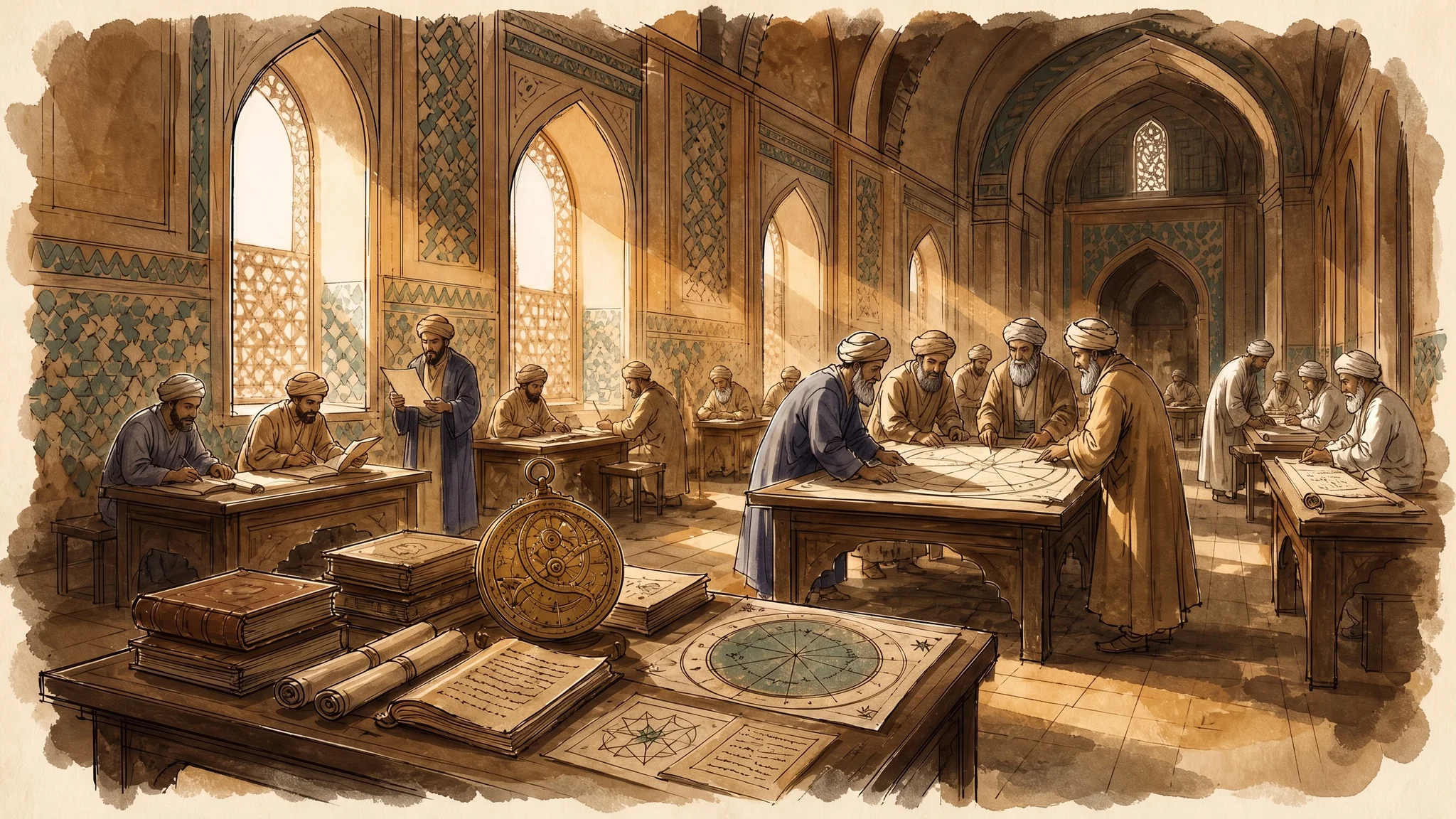
05 · 628–830 CE
A brass disc is no use if nobody remembers how to read it. How a captured student, a borrowed zero and one desk in Baghdad kept the knowledge alive and built the algorithm.
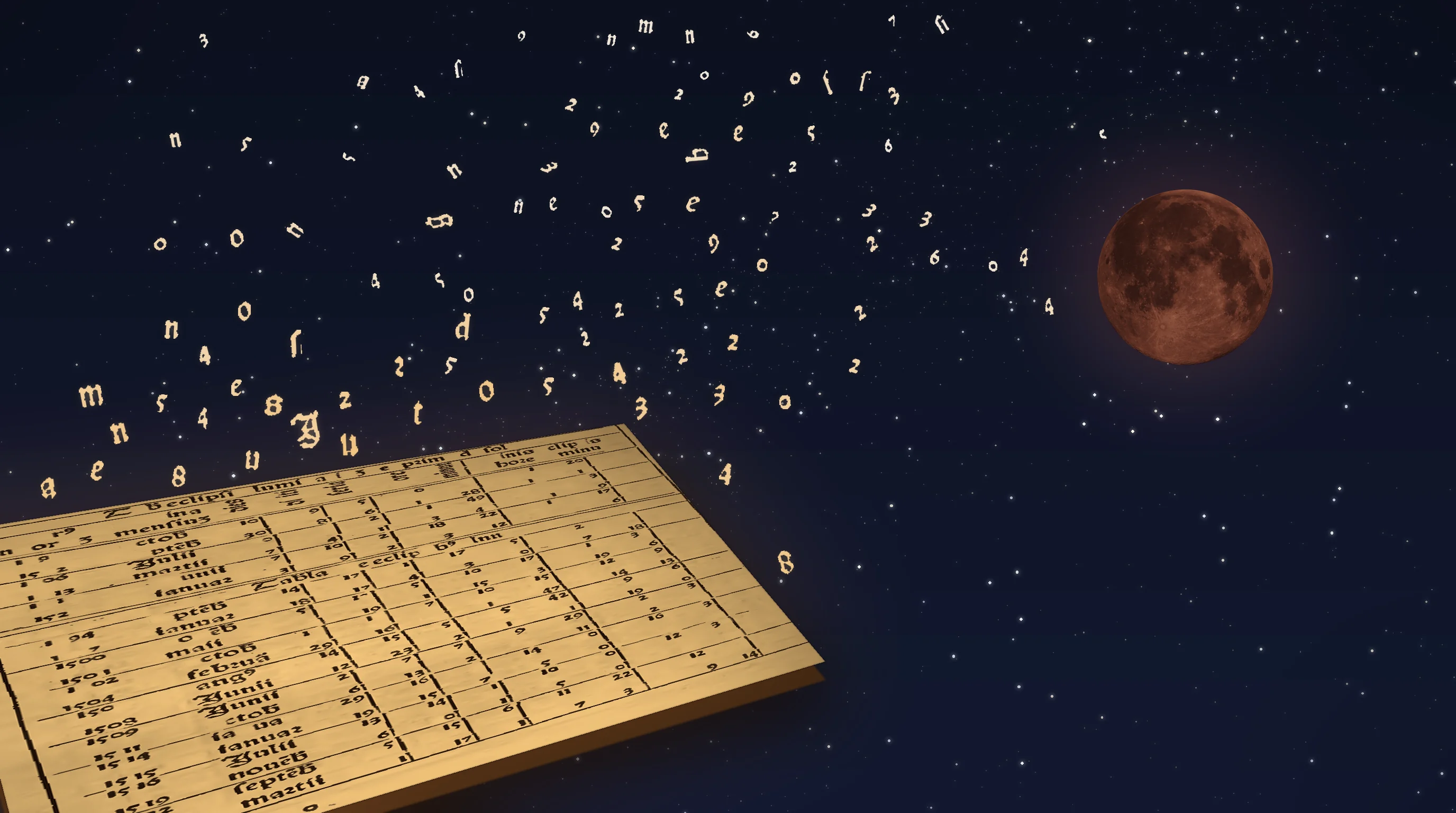
06 · 1440–1504
Knowledge kept in one library could be lost with it. The printing press put the same tables in every ship's cabin; with an astrolabe and a page of them, a sailor could find their latitude.
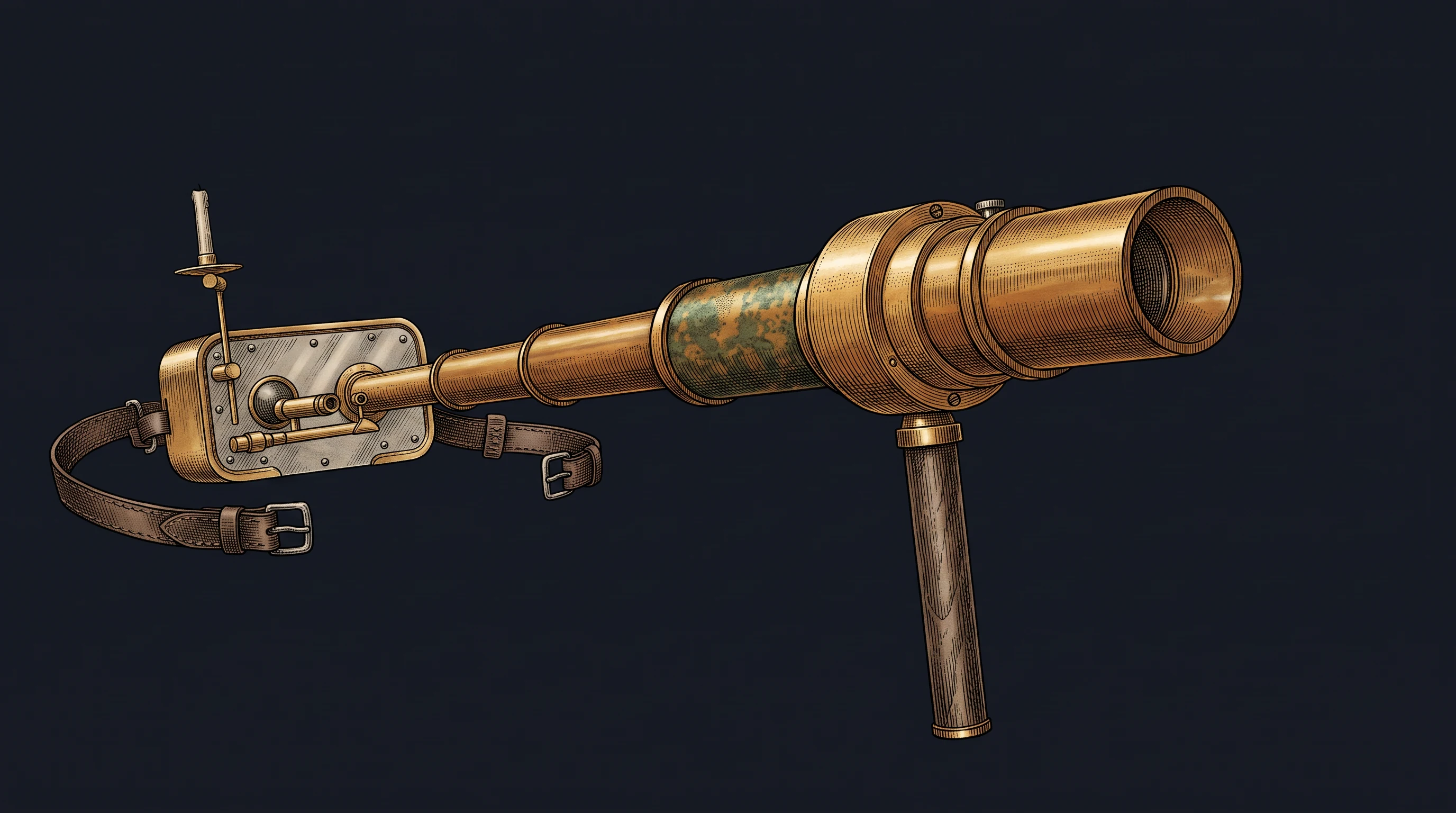
07 · 1286–1610
Latitude could be read from the Sun; longitude needed a clock. A ground lens and a tube turned the moons of Jupiter into one, hung in the sky. It failed on a rolling deck, and accidentally revealed the speed of light.
08 · 1609
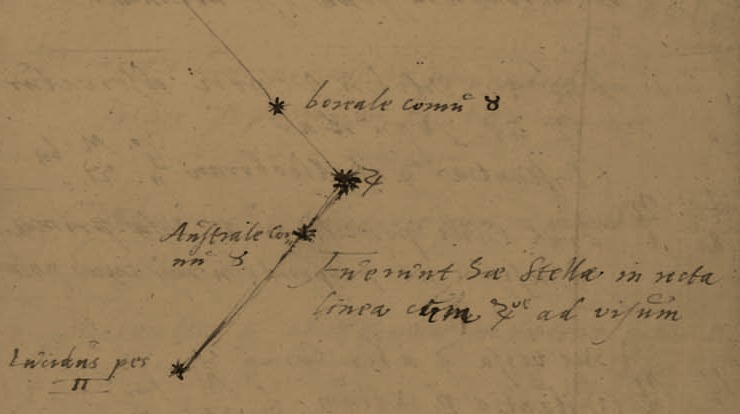
The planets never quite showed up where the mathematics said they would. Two thousand years of perfect circles, undone by a gap a quarter the width of the moon.
09 · 1687
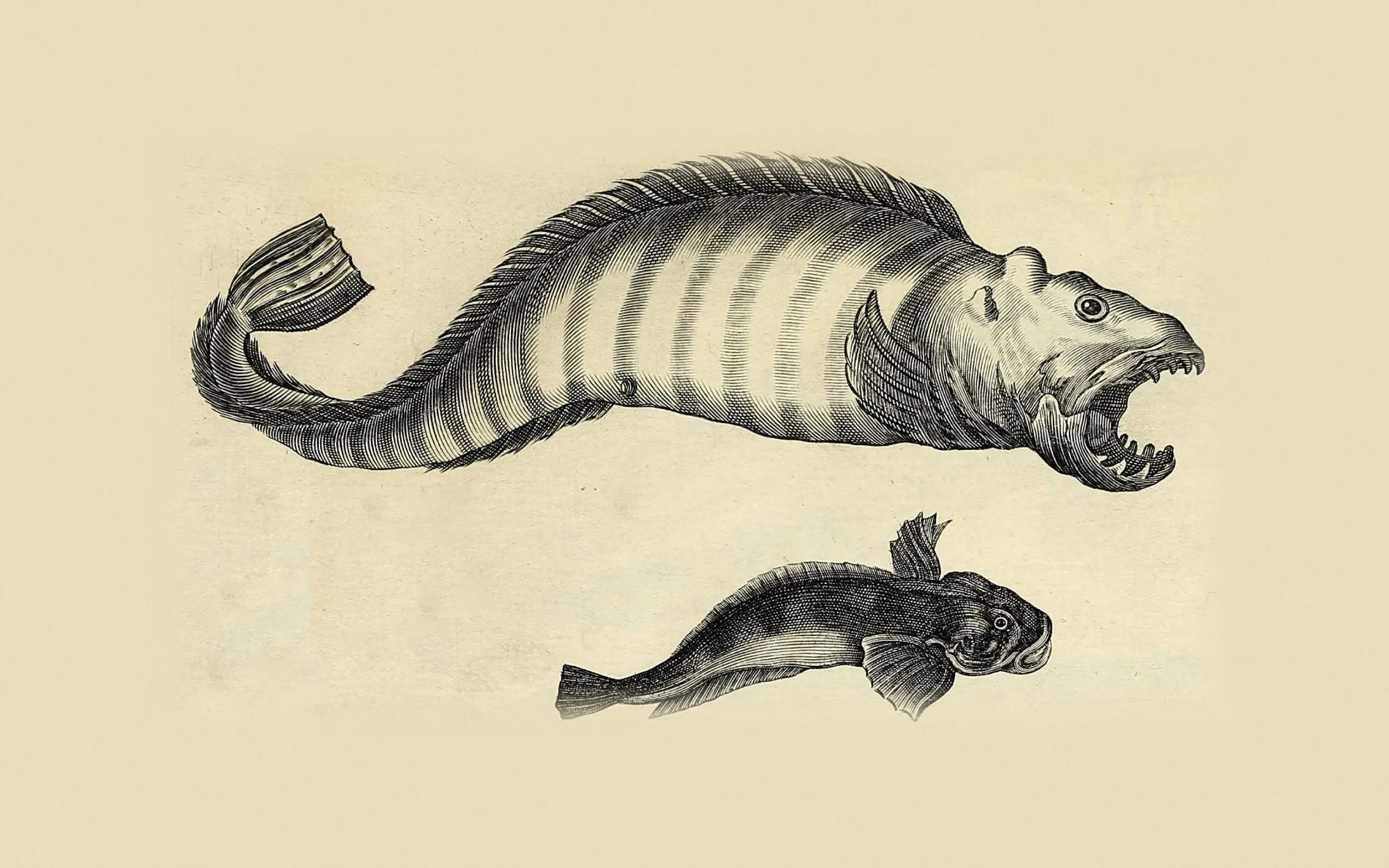
Kepler knew the shape of an orbit but not the reason for it. The answer began in a London coffeehouse in 1684 and reached a seven-minute thruster burn four billion kilometres away.
10 · 1759
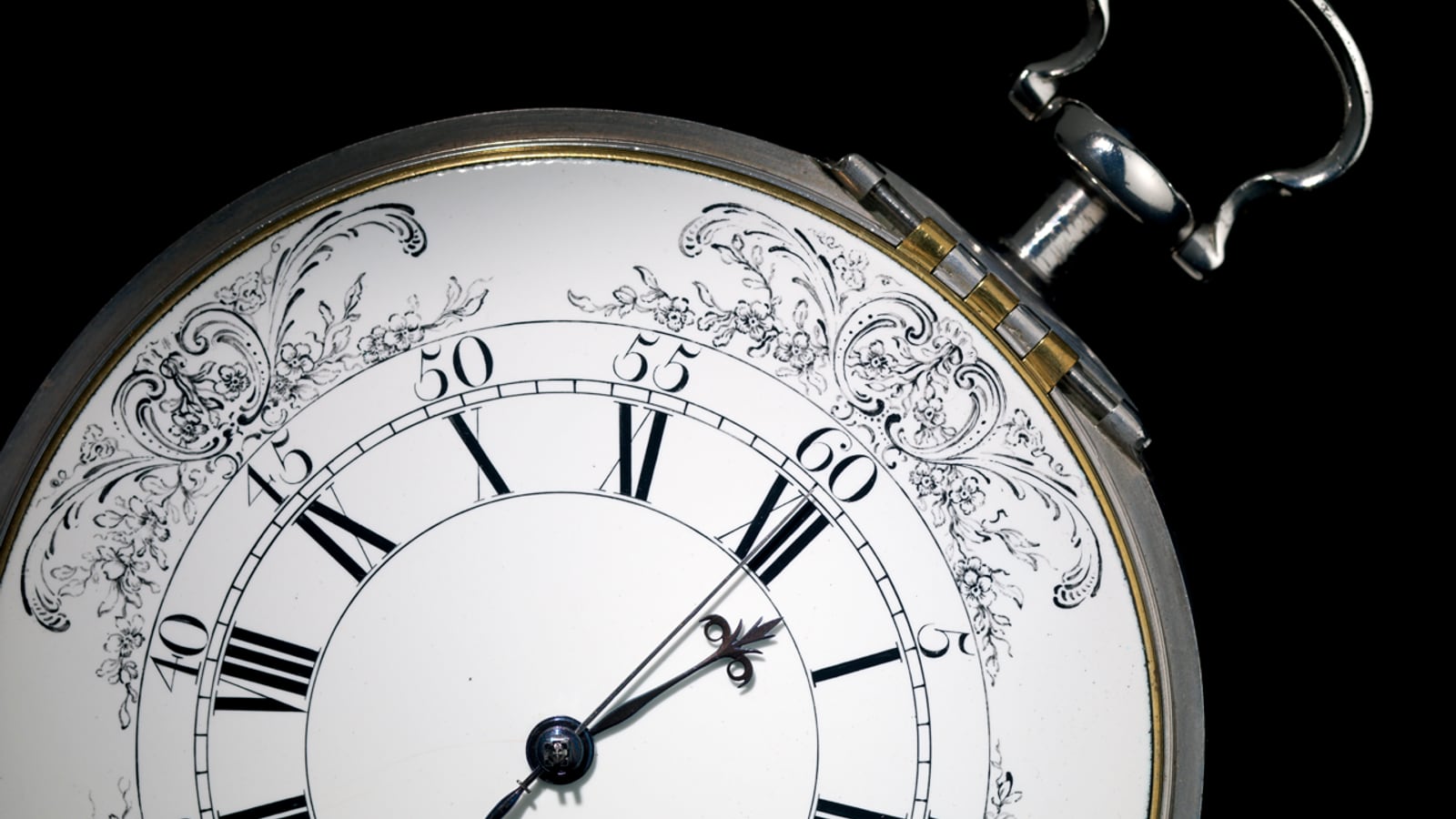
The astrolabe had answered only half of "where am I?"; east and west still defeated scholars and sailors alike. From a fleet lost off Scilly to a watch forty years in the making, longitude was pinpointed at last.
11 · 1769 onward
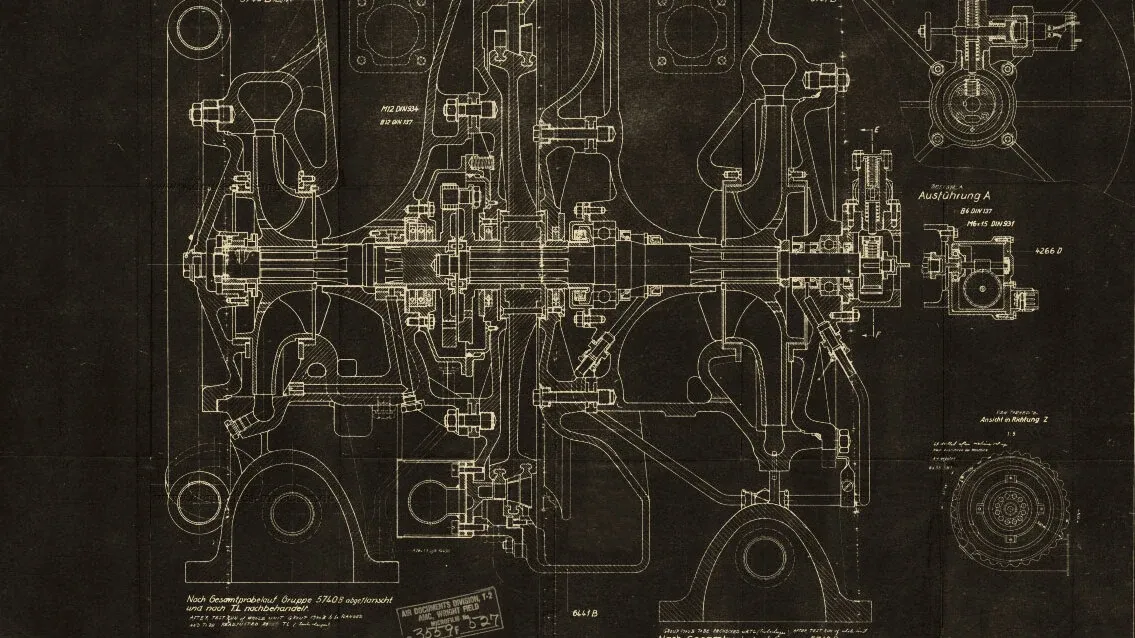
A reliable sea clock had taken a lifetime of work. From a damp coal pit to the edge of space: how that precision left a craftsman's bench and was handed to a machine.
12 · 1820–1895
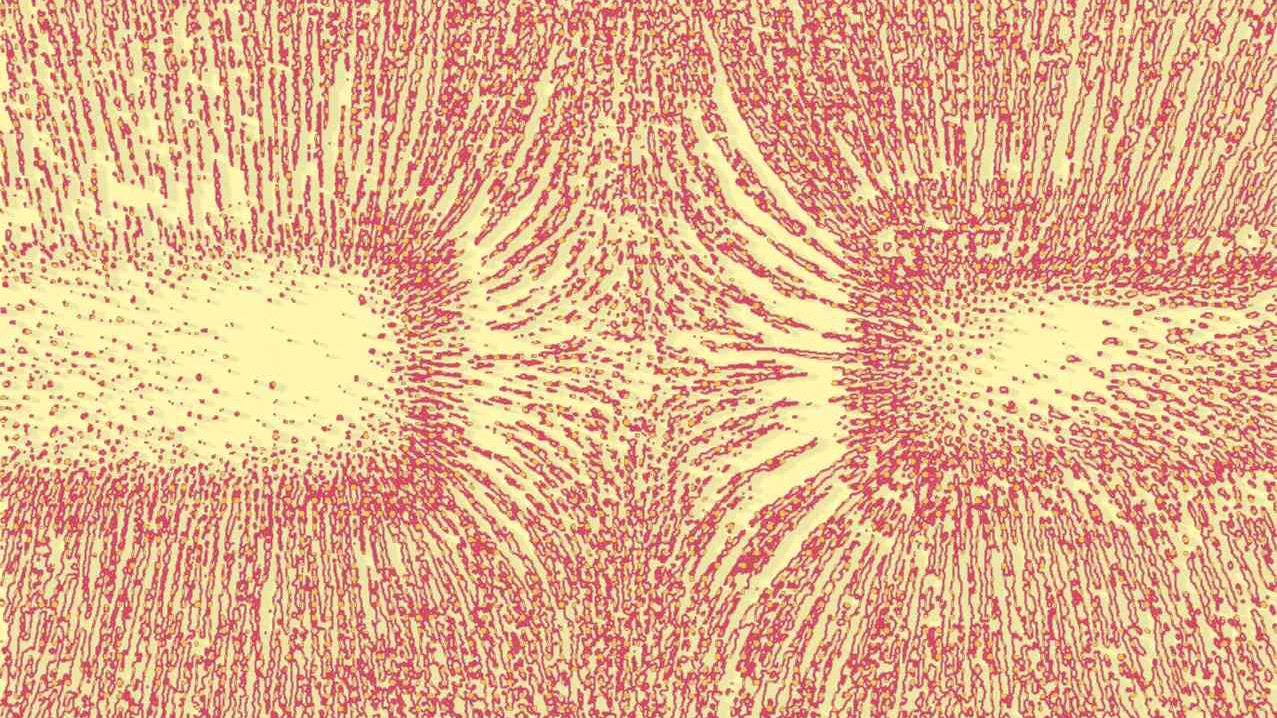
Send a machine far enough and it vanishes from sight. A twitching compass needle and a spark led to the signal that tracks it, measured the solar system, and left a puzzle: identical clocks that could not agree on the time.
13 · 1905–1977
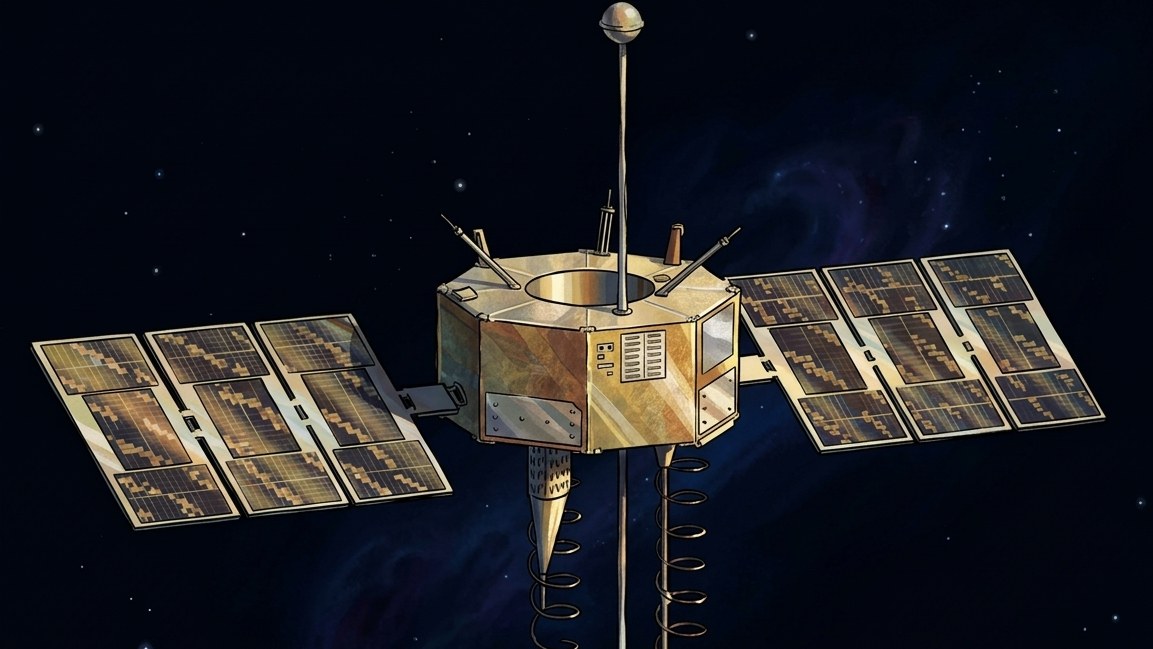
A planet's mystery drift helped show that neither clock was wrong. Einstein had already provided the explanation.
14 · 1897–1944
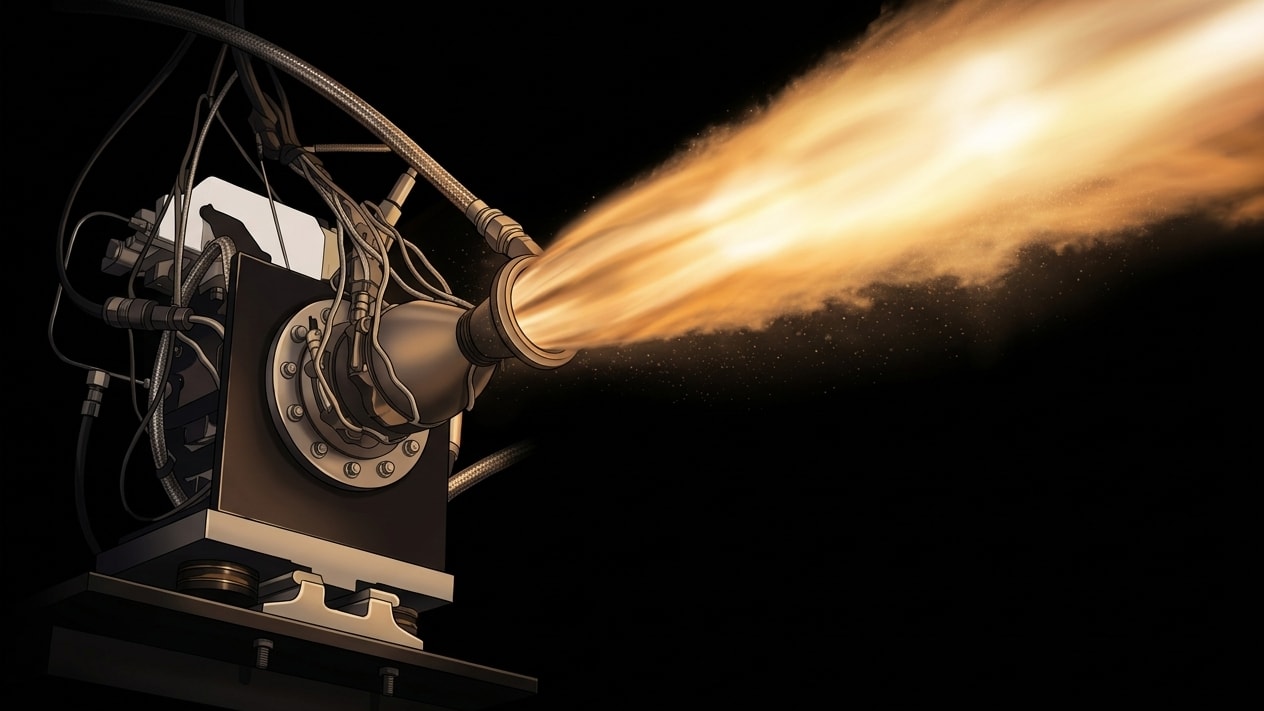
A clock in orbit has to get there first. A schoolteacher's equation set the price of leaving Earth, a two-second flight over a snowy field paid the first instalment, and an underground factory counted the cost in lives.
15 · 1953–1968
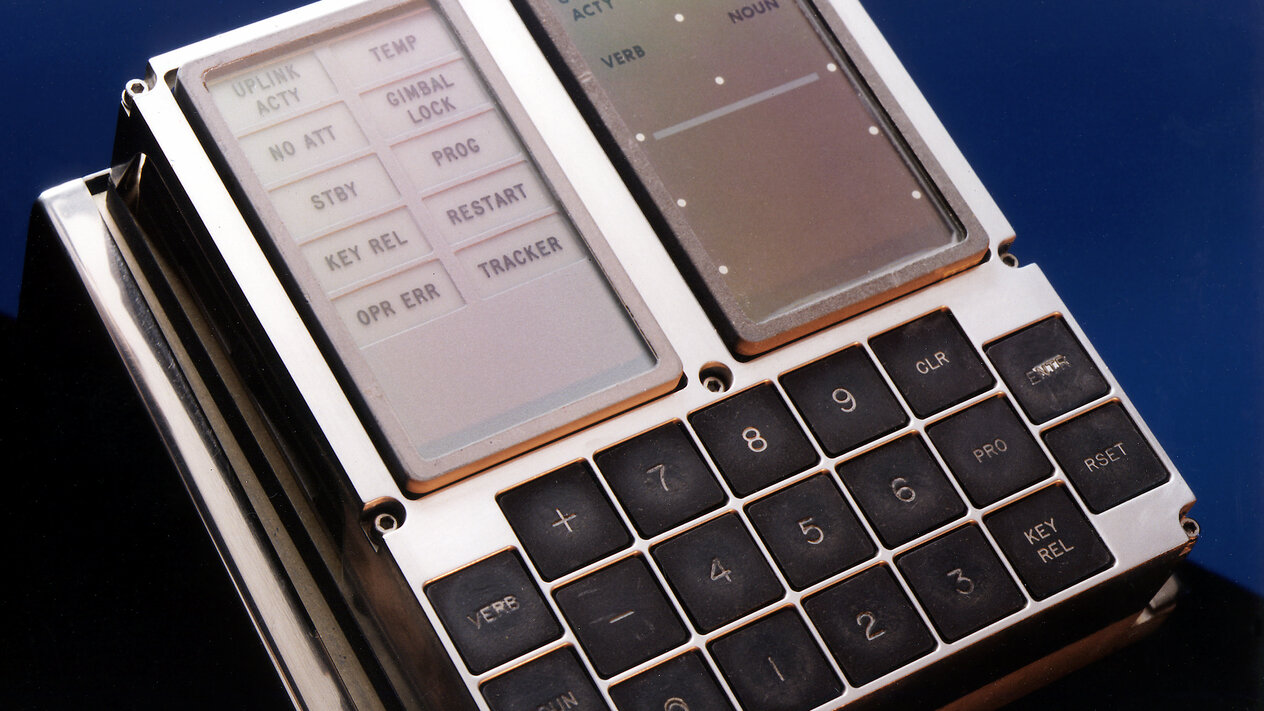
Beyond Earth there are no coastlines to steer by. A computer with hand-woven memory counted every push, checked its sums against the stars, and kept track of how far to trust its own best guess.
16 · 1969
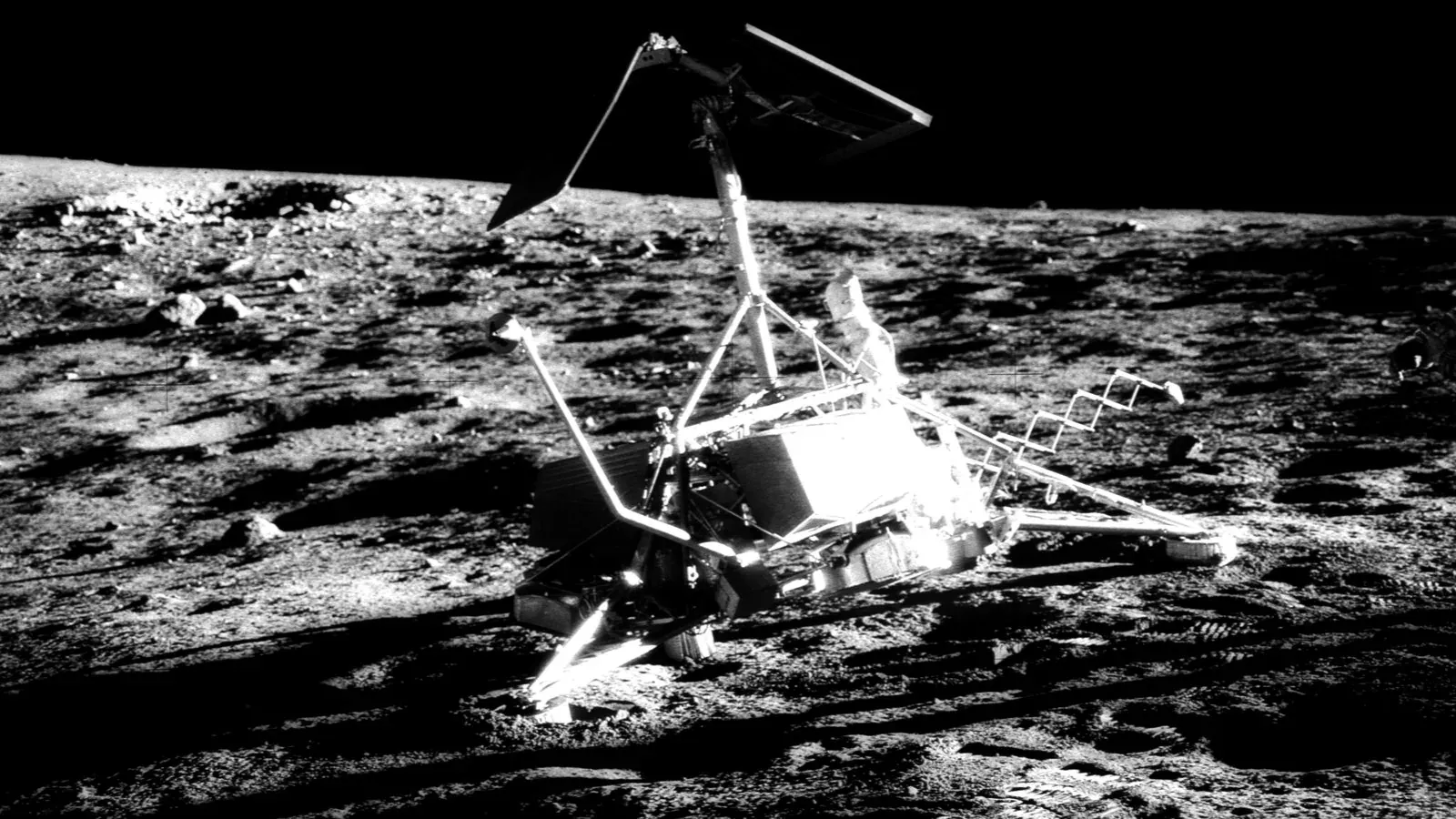
A best guess could reach the Moon, but not pick a spot to land. Apollo 11 overshot, towards a crater ringed with boulders; four months later, Apollo 12 came down close enough for its crew to walk over to a robot that had been waiting there since 1967.
17 · 2012–2026
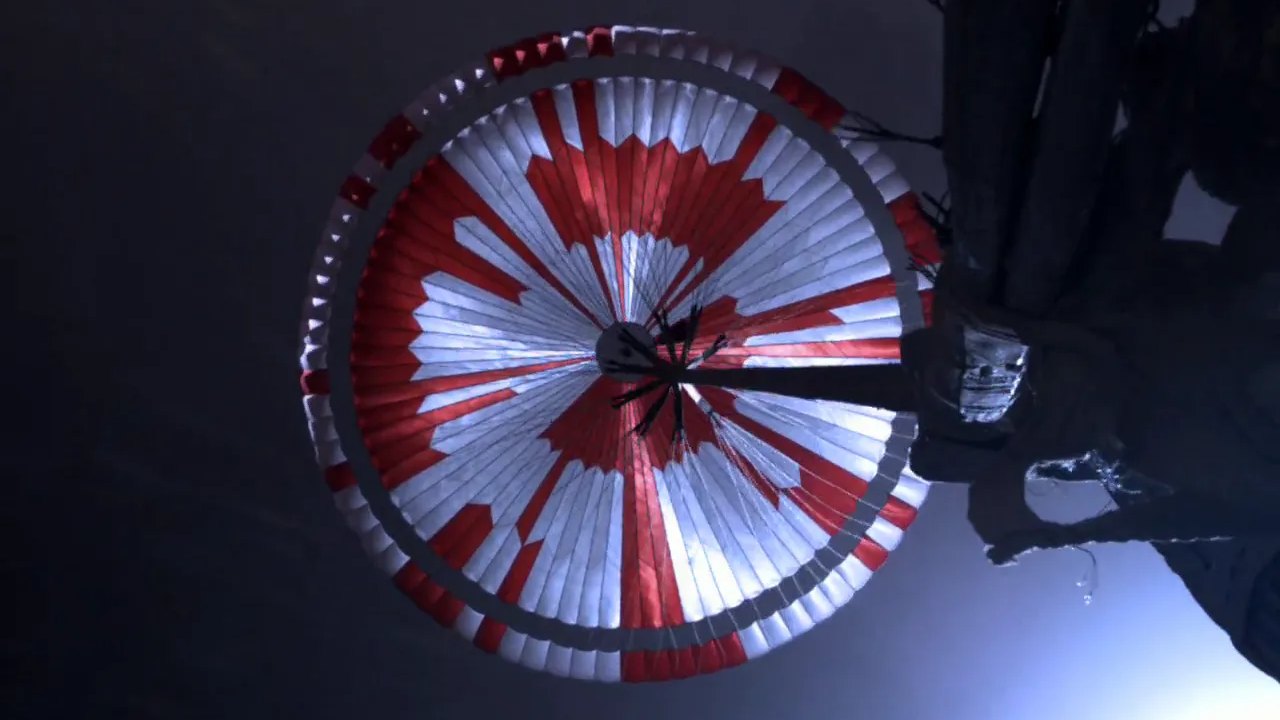
At Mars, no voice from home can arrive in time, so a machine finds its own way down, reading the ground against the map it carries. Sixty-eight thousand years after a hand was pressed to a cave wall, we are still leaving marks for whoever comes next.
The episodes were chosen for what travels between them. Each one takes up an idea from earlier in the story and gives a later episode something to work with, sometimes centuries on. An idea can drop out of sight for generations before someone changes it and passes it on.
That rule leaves out ingenious inventions that nobody copied. It also sets aside the Polynesian wayfinders, who crossed the Pacific by reading stars, swells and birds, with knowledge passed from navigator to navigator along a line of its own.