
The Word
From counting barley on river mud to mapping planets in the sky. How an ancient accounting trick became a human superpower, rescued from a sheer cliff face to the words you're reading right now.
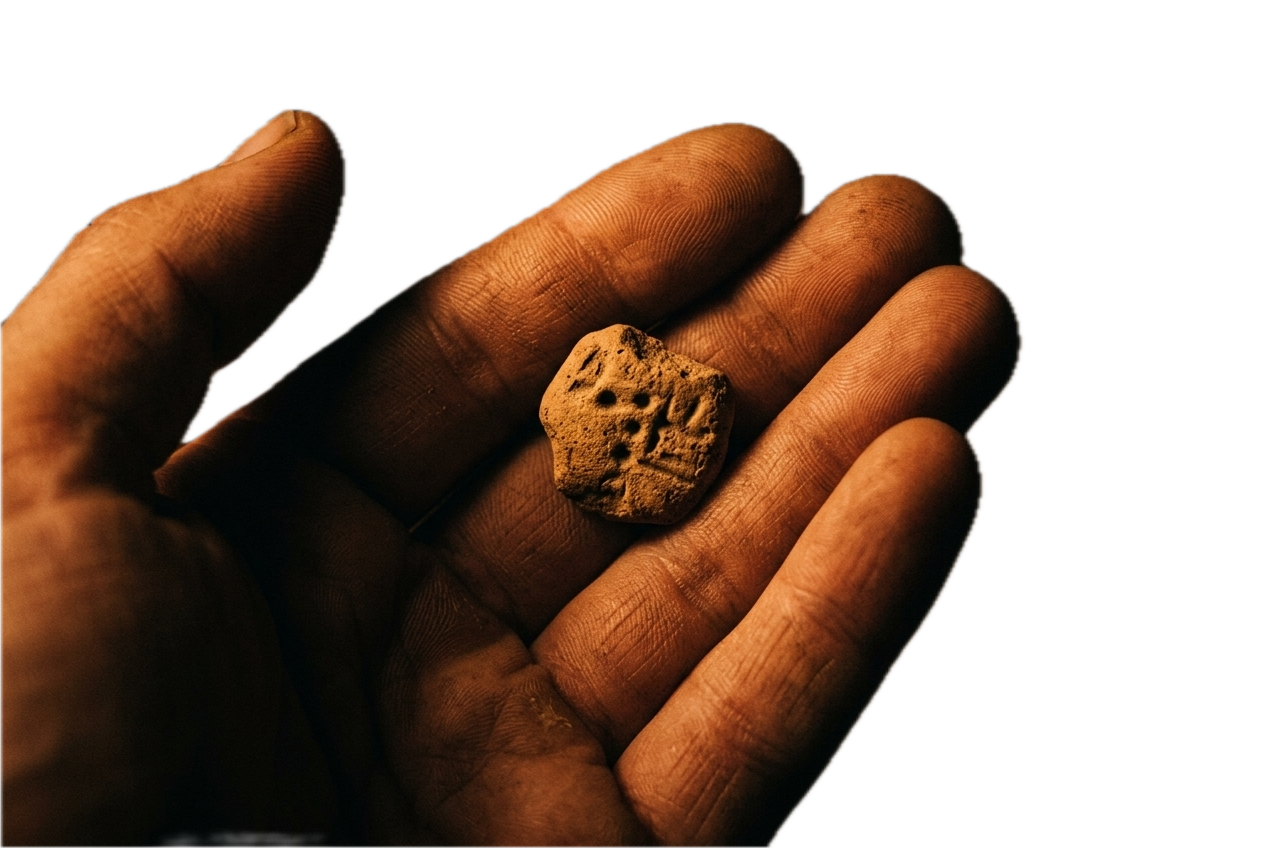
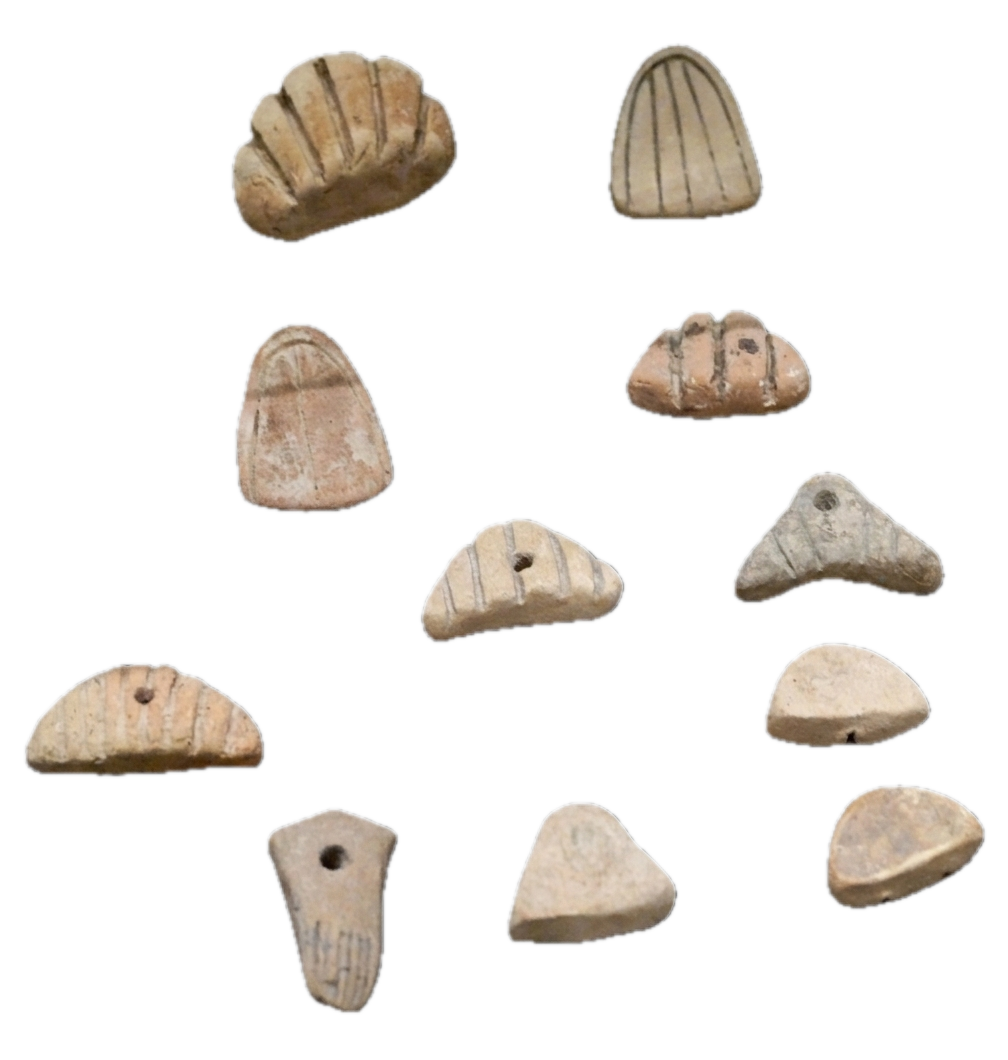
Imagine you're holding a small, shaped piece of baked clay. It fits in the palm of your hand, smooth to the touch, and heavier than it looks. Five thousand years ago, this little clay token that looks like a simple toy or a tiny sculpture was actually a highly functional tool. It represented a precise unit of data: a measure of grain. It carries its meaning without carrying any human sound. By holding it, you are receiving a silent, mathematical transmission that successfully bridged fifty centuries. Its exact inventory is delivered across a chasm of history, long before human beings figured out how to make a physical mark speak.
If you want to know who made the very first mark like this, you run into a challenging problem. Ask an Assyriologist (an expert on ancient Iraq), an Egyptologist, and an Iranist to point to the absolute beginning of writing, and you step directly into a fierce, century-old academic turf war. You will get three incredibly confident, entirely different answers: proto-cuneiform, proto-hieroglyphic, and proto-Elamite. Two are holding ancient clay; the third holds tags of bone and ivory. All of them consider their theory the best.
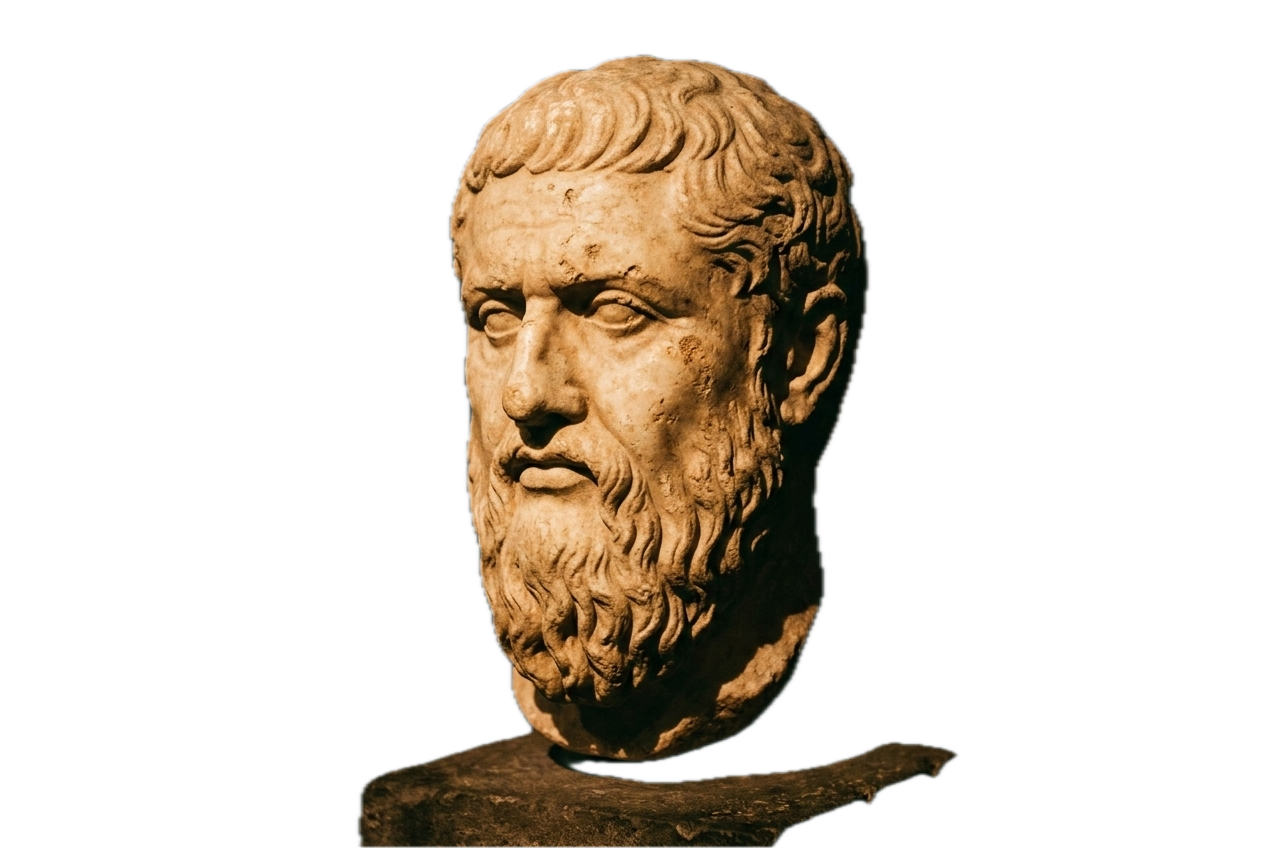
The oldest surviving argument about writing is a story Plato tells of an ancient king who rejects the invention, warning that storing thoughts outside our skulls will make our minds lazy and ruin our memories. In the days before writing (known as pre-history), humanity passed its entire identity down through song and verse. It was an incredible feat, but those spoken paths were always one missed generation away from being lost. Writing changed the rules by creating an unbroken chain of human knowledge. To see who wins Plato's argument, we have to step back into deep time. We are looking for the start of a grand sweep of human intellect across the cosmos... which, as it turns out, mostly began because someone needed to keep track of a few stray sheep.
Before we can watch this history unfold, we need to clear up a trap in how we think about words. A sign can carry a meaning long before it carries a sound. Think of a modern skull-and-crossbones sign: it means "danger," but without spelling the letters. A person speaking English looks at it and thinks danger, while a person speaking Spanish thinks peligro, all while the drawing itself stays completely silent. Experts call this proto-writing: a sophisticated system of signs that communicates ideas independently of any single spoken language. Using the prefix "proto" makes it sound like an unfinished prototype, but it was a highly successful, brilliant tool all on its own.
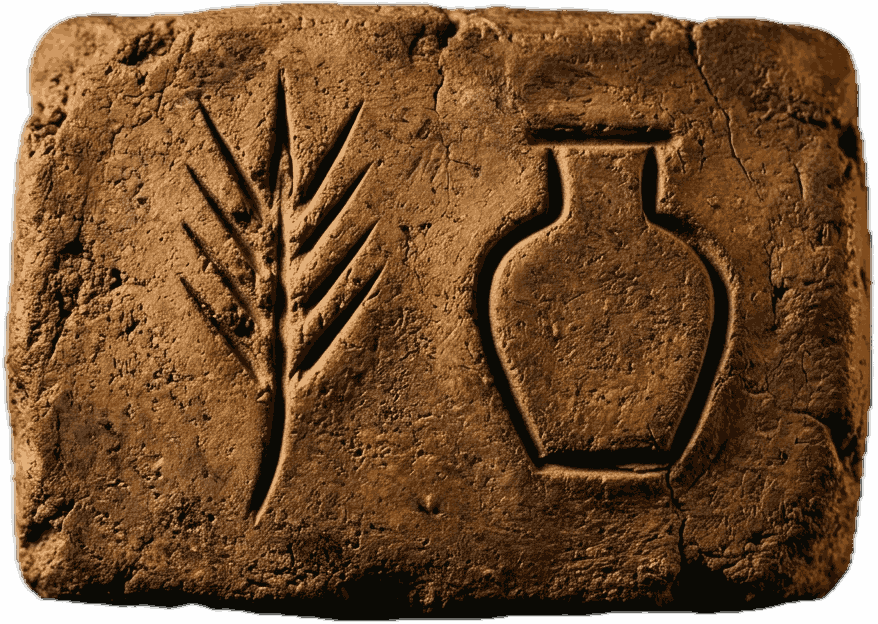
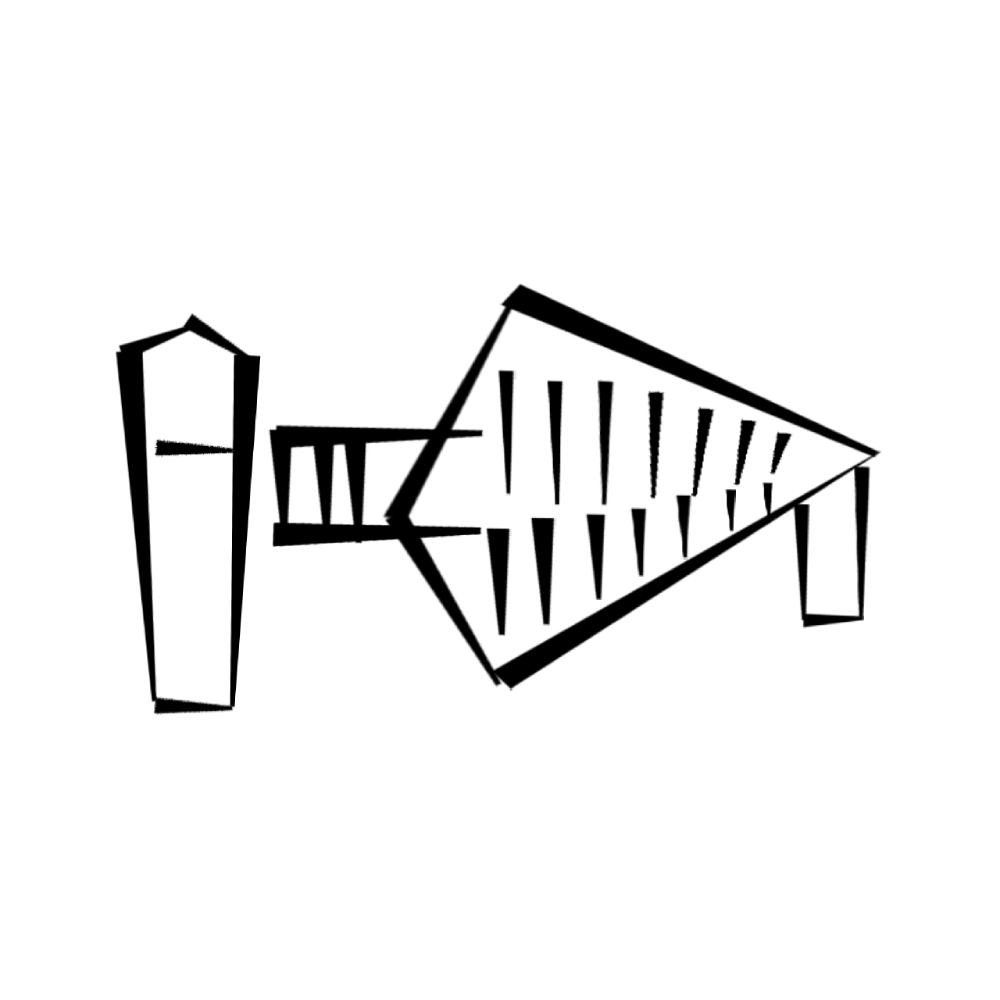
True writing only happens when a mark crosses what scholars call the rebus threshold, the exact boundary where pictures stop representing things and start representing sounds. This consequential leap essentially began with a pun. Sumerians drew an ear of barley to represent the sound sheh, which was their word for the grain. To write shegger, meaning beautiful, they simply paired the barley drawing with the sign for milk, pronounced ga. This trick completely separated the drawing from its physical meaning. By capturing sounds instead of objects, simple pictures could be used to spell out any sentence a human could speak.
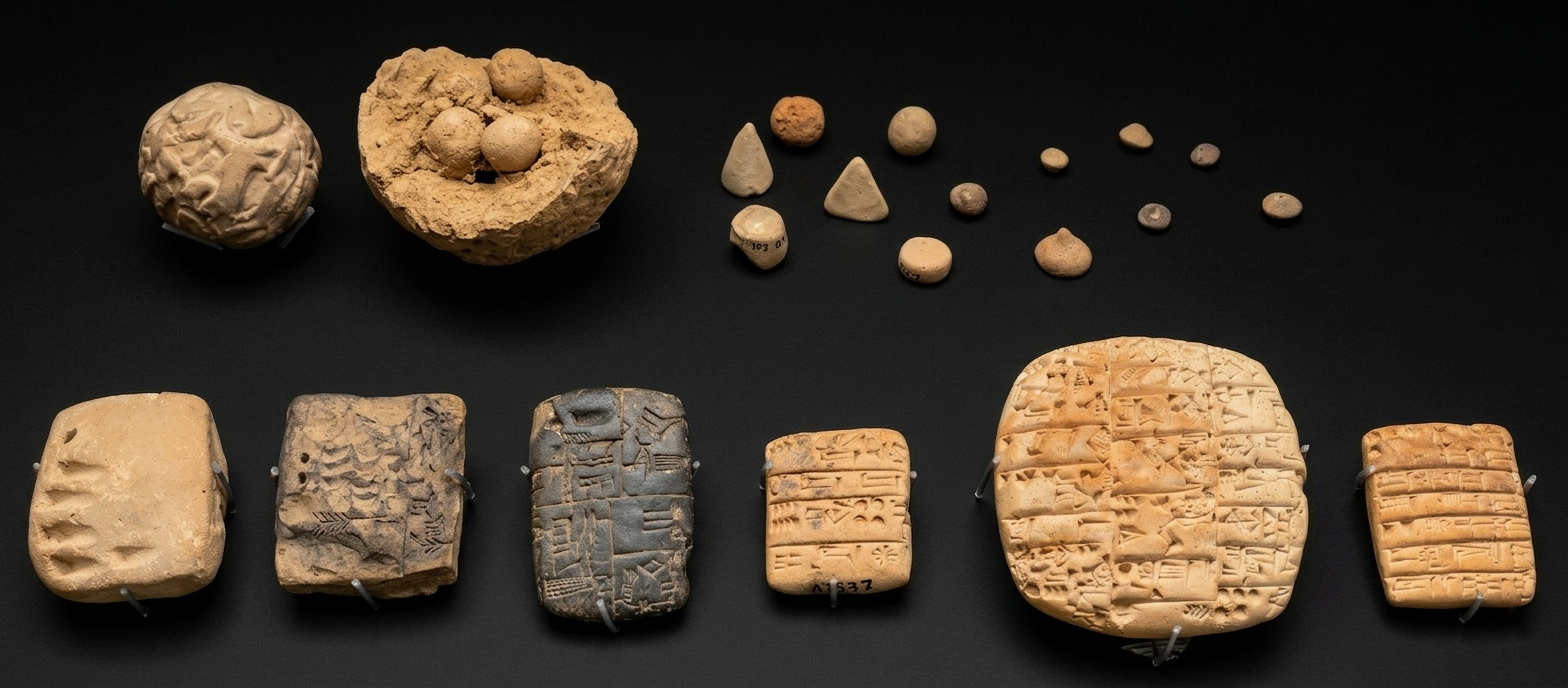
For decades, historians believed they had found an unbroken, perfectly logical staircase showing exactly how humans ascended from counting sheep to inventing the alphabet. It is a strikingly elegant theory, though historical truths are rarely this tidy. The story begins around 8,000 BCE with tiny, geometric clay shapes called tokens. We know of roughly three hundred specific shapes, and each one meant exactly one thing: a cone stood for a small measure of grain, a sphere meant a large measure, and an ovoid (egg-shaped) token represented a jar of oil. If you were an ancient farmer trading your harvest, these tokens were your spreadsheet.
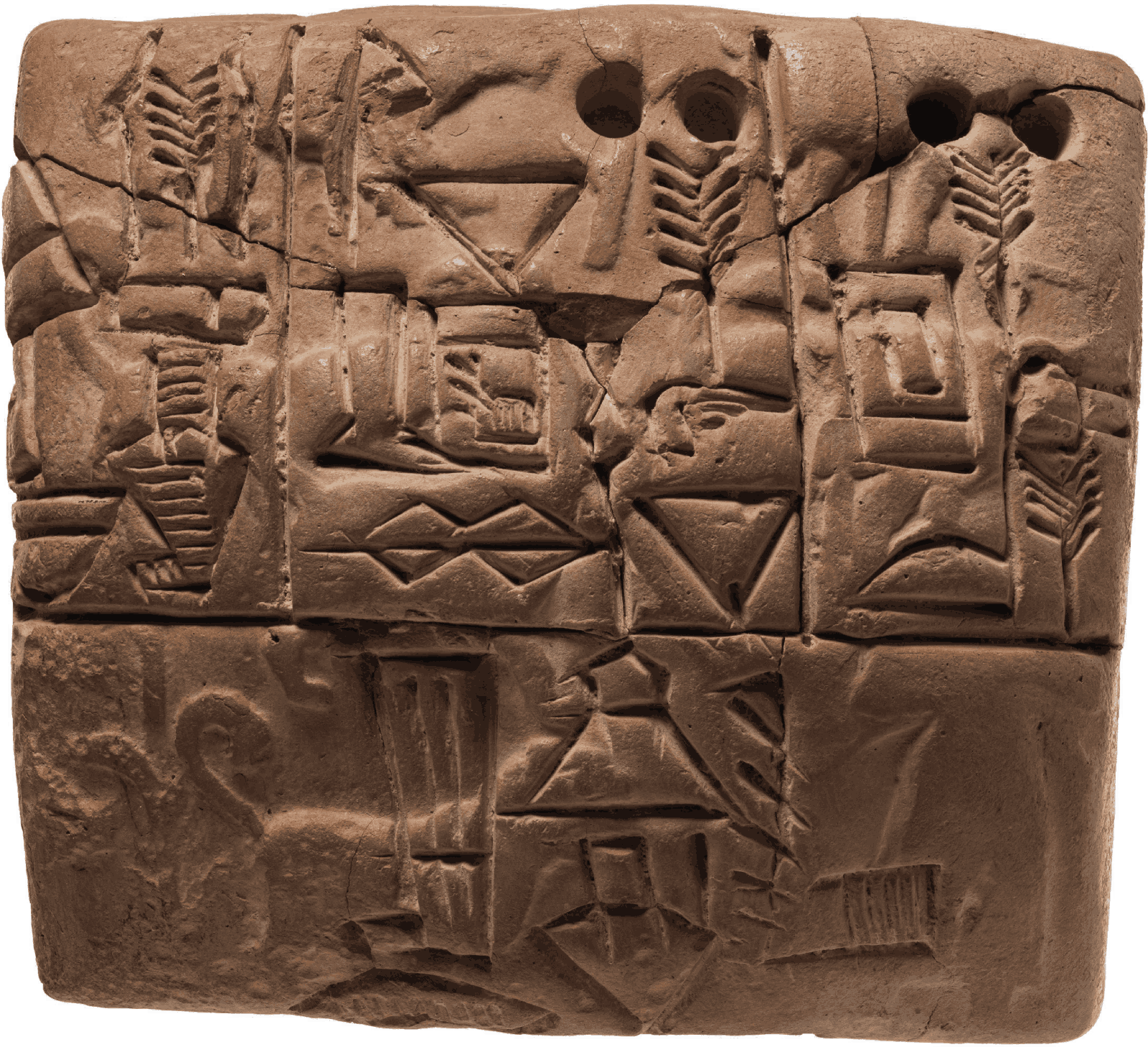
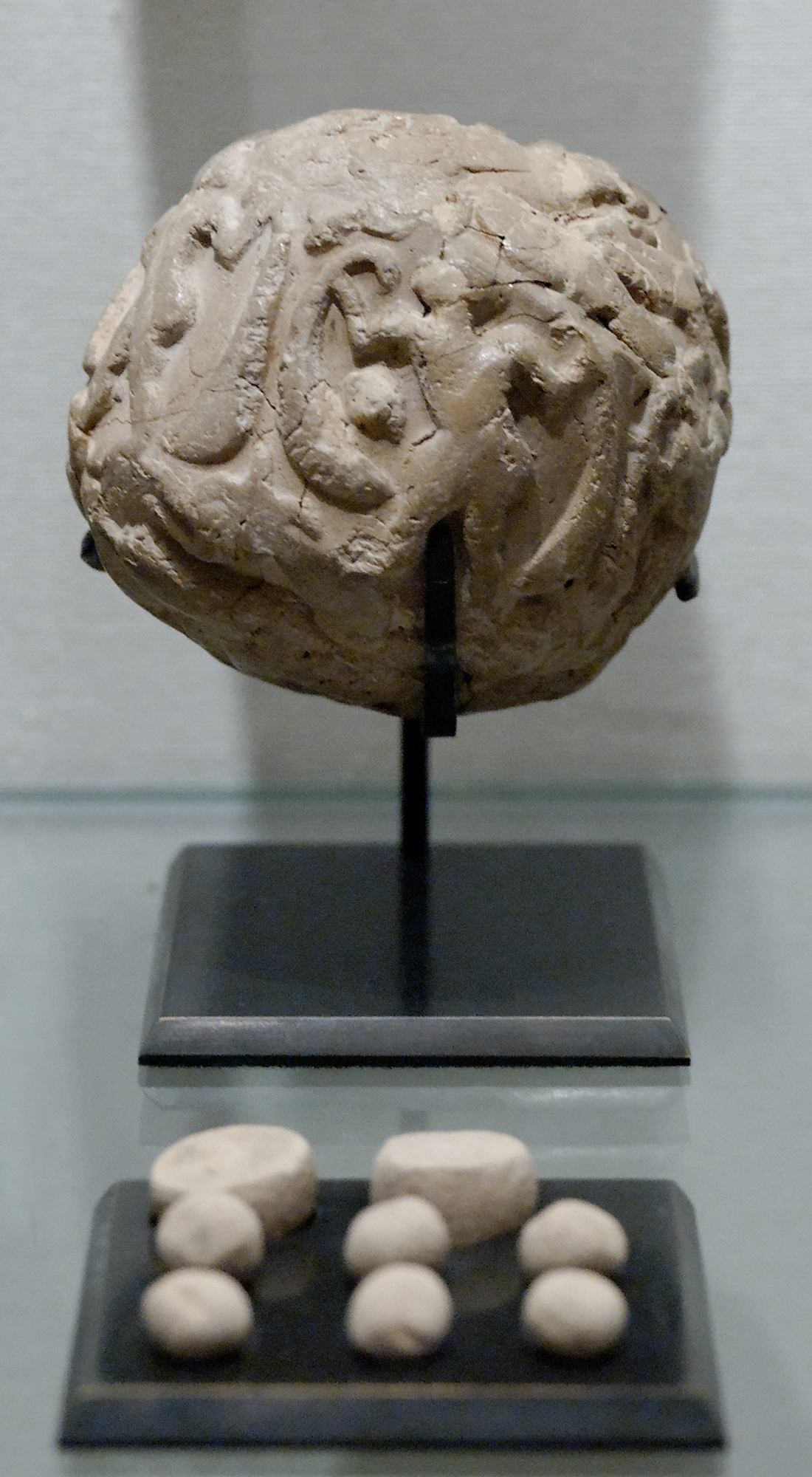
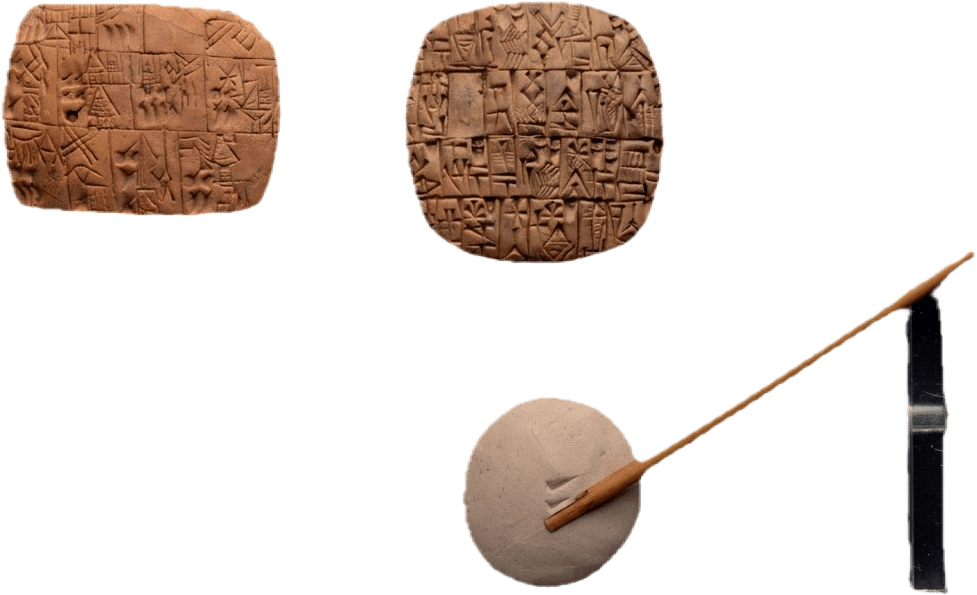
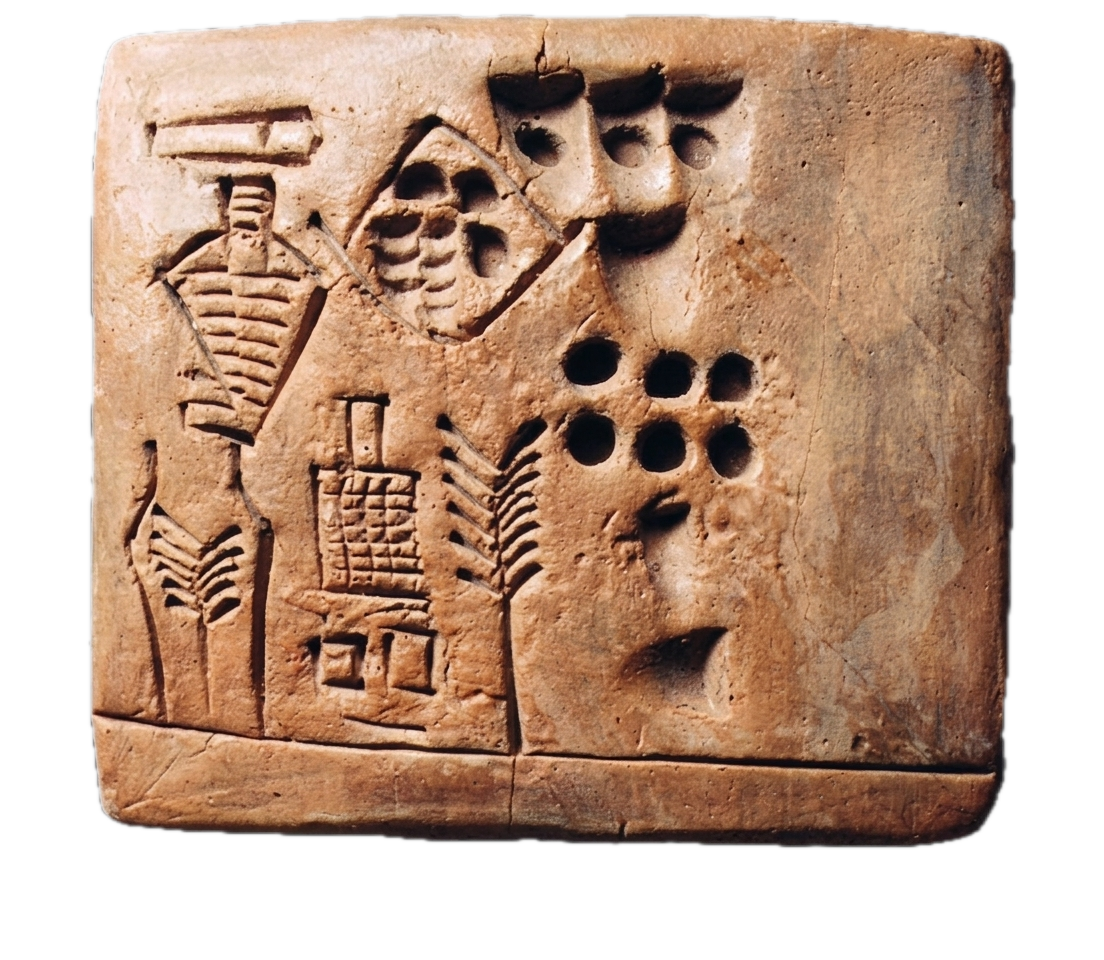
Eventually, people needed a way to secure their trades so nobody could steal from them on the road. Accountants started locking these tokens inside hollow clay balls called bullae, sealing them shut like ancient security envelopes. But this created an obvious problem: once the ball was sealed, you couldn't see what was inside without breaking it open. To solve this, they began pressing the tokens into the wet clay on the outside of the ball before locking them away. Before long, some genius realised that if the marks on the outside told you everything, you didn't need the tokens inside at all. They flattened the clay ball into a tablet and simply drew the shapes directly onto the surface, creating the earliest drawn signs that we call proto-cuneiform.
Then, around 3100 BCE, a quiet revolution appears on these tablets. If you owned twenty-three jars of oil, drawing twenty-three separate ovoid shapes on a piece of clay was tedious work. Someone smart realised they could just write a symbol for the number twenty-three, and follow it with a single drawing of an oil jar. The number detached from the thing being counted; data was officially separated from the object itself.
Here is where the ultimate shortcut of writing happens, a shift in how the human mind operates. Suddenly, people did not need to hold a token or look at a real animal to count it. The sheep stayed out in the pasture and the clay stayed in the scribe's hand, but thinking had crossed a line into abstraction (using symbols instead of real objects). We built an invisible bridge between an idea and a mark on a piece of clay, and we never looked back. We often think of writing as the grand birth of literature, but for the first fifteen hundred years, no one wrote down stories or poems. Literature was a convenient afterthought; writing was invented purely to balance the books.
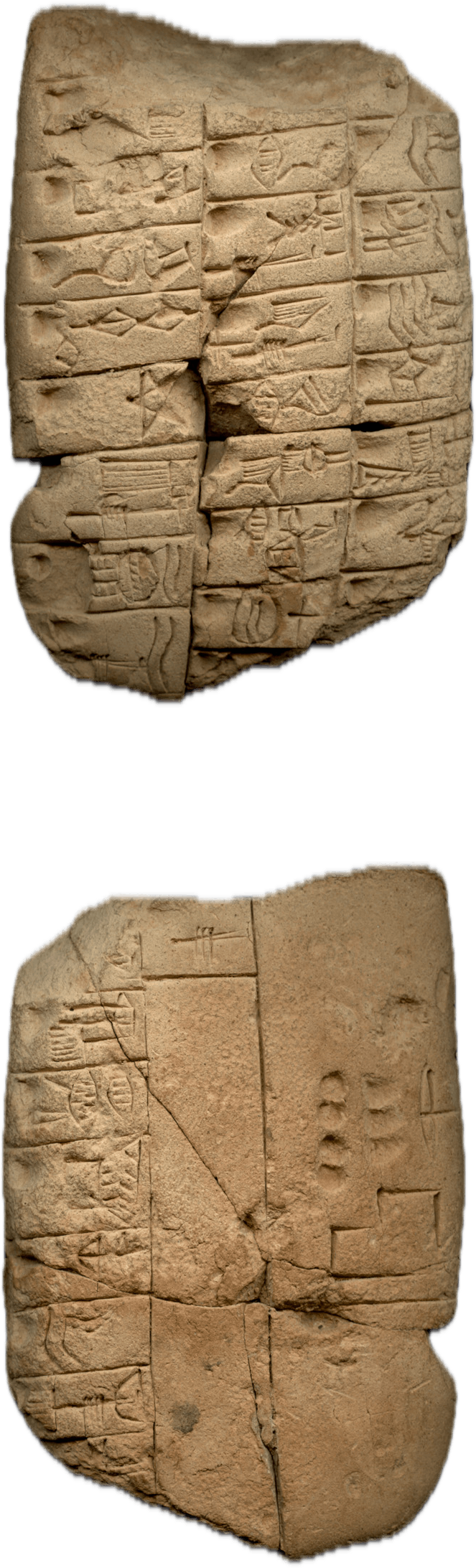
In 2020, a tiny clay tablet sold at an auction for two hundred and thirty-five thousand dollars. The collectors who bought it were told they were purchasing the world's first recorded signature. The marks on the clay can be read quite clearly: twenty-nine thousand, and eighty-six measures of barley, over thirty-seven months, followed by the word Kushim. It feels incredibly personal, like a quiet voice reaching out across five millennia.
The reality is likely more mundane. Scholars look at those same marks and see an administrative job title, a desk in a prehistoric office. Historian Jürgen Renn calls the idea of a personal signature "poetic license." The tablet contains five separate numbering systems rather than a single spoken sentence; it is still strictly proto-writing. Yet, even though the individual completely vanished into a corporate account, the characters still granted the name an unintended immortality. The brewery is long gone, yet the transmission remains so durable that five thousand years later, we still read the name 'Kushim' right off the clay.
We naturally look for a single, clean line of progress, but the invention of writing looks much more like a plait. It's a pattern made of separate strands twisting together in a sudden burst of development.
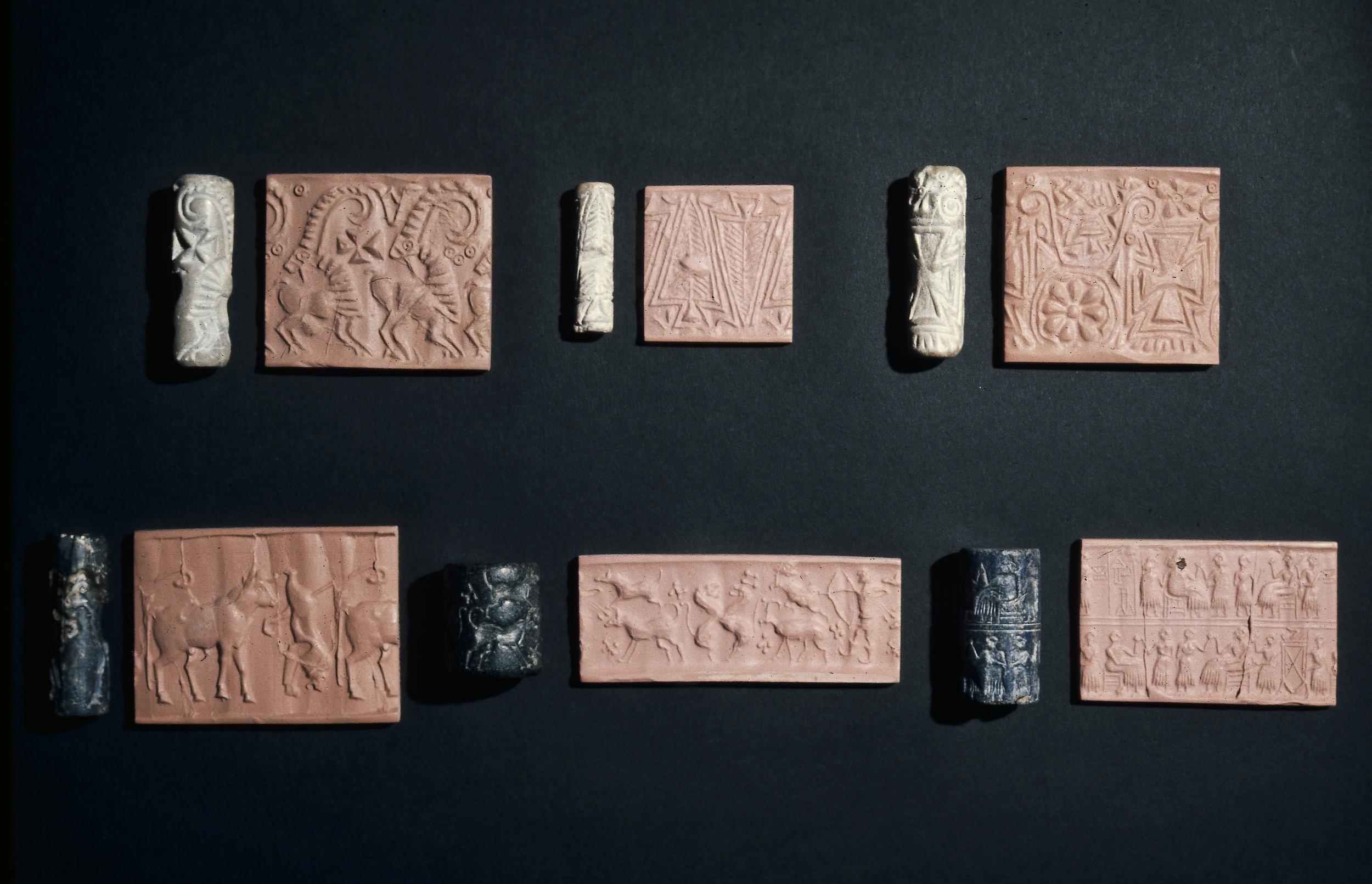
While accountants were counting their geometric clay tokens, an entirely separate information technology was already thriving. People were using cylinder seals, which were small stone rollers carved with intricate pictures. When rolled across wet clay, they left a continuous stamp of ownership. These seals developed independently, forming a rich visual environment of their own. Consider a single motif: a fringed cloth. For generations that picture stood for a bolt of woven textile, rolled across the damp clay that sealed a shipment. When the first flat tablets appeared, that same motif crystallised into a written sign, dragging its old meaning straight into the script.
This parallel track breaks the idea of a simple chain of progression. In a live, ongoing debate sparked by a recent study, researcher Kathryn Kelley points out that direct links between individual tokens and written signs are rarely demonstrable. It is a quiet dagger to the old, neat theory. Writing was a convergence of streams. Seals, tokens, and drawings all appear to have collided in a moment of creative synergy. Instead of a single invention, writing began as a network of cooperating tools. The complication is that within the same hundred-year window, three societies were staring at the exact same breakthrough.
Around 3300 BCE, three distinct information systems emerged as near-contemporaries, appearing within roughly a century of one another. First, the famous proto-cuneiform tablets from the Mesopotamian city of Uruk, anchored to roughly 3250 BCE by the preserved pinewood roof timbers of an ancient temple. Second, a collection of one hundred and eighty-six bone and ivory tags found in an Egyptian tomb at Abydos, dated to around 3320 BCE. Third, a cache of around seventeen hundred tablets, most of them from the ancient city of Susa, written in a script called proto-Elamite; bear in mind, that name is a historical misnomer, as the signs have no proven link to the later Elamite language.
Look closely at all three claimants, and the tidy idea of an absolute pioneer vanishes. None of these systems securely recorded human speech; they all remained on the proto-writing side of the boundary.
They were also deeply entangled. Recent research highlights roughly thirty complex, abstract signs shared between the tablets of Uruk and Susa. These were not simple drawings of things like fish or rivers that two people might invent by accident; they were specific, shared data codes. This has led to a live, compelling hypothesis that these scripts might share a single, forgotten common ancestor. It is a brilliant theory, though it remains entirely unproven.
The true mystery lies less in deciding who won this ancient race, and more in watching how modern scholars shifted the dates. In the 1980s, textbooks placed the Uruk tablets around 3100 BCE. Then, archaeologists discovered those older Egyptian tags at Abydos. Researcher Massimo Maiocchi points out a striking pattern in what happened next: the Mesopotamian dates suddenly began marching backward through time, creeping from 3100 to 3200, and eventually as far back as 3350 BCE. In his reading of the debate, this chronological time travel tracks the publication of the Egyptian discoveries a little too perfectly, suggesting a quiet academic effort to protect Mesopotamia's status as the birthplace of writing.
Nature itself makes absolute certainty impossible here: this era sits right on a radiocarbon calibration plateau, a natural flat spot where carbon dating signals level out and cannot distinguish between different decades. Instead of accepting this fuzziness, the academic world suffered from what Maiocchi calls intellectual hysteresis: a situation where a preferred historical model stays stuck in its old groove long after the actual data has moved on.
The honest conclusion is that Egypt and Mesopotamia are answering entirely different questions. Egypt provides the earliest singular, sudden object with the Abydos tags. Mesopotamia provides a lengthy, beautifully documented evolution stretching thousands of years back to the geometric tokens. We cannot rank them against each other because they are not running the same race. The clean origin story dissolves into a hazy, shared fog.
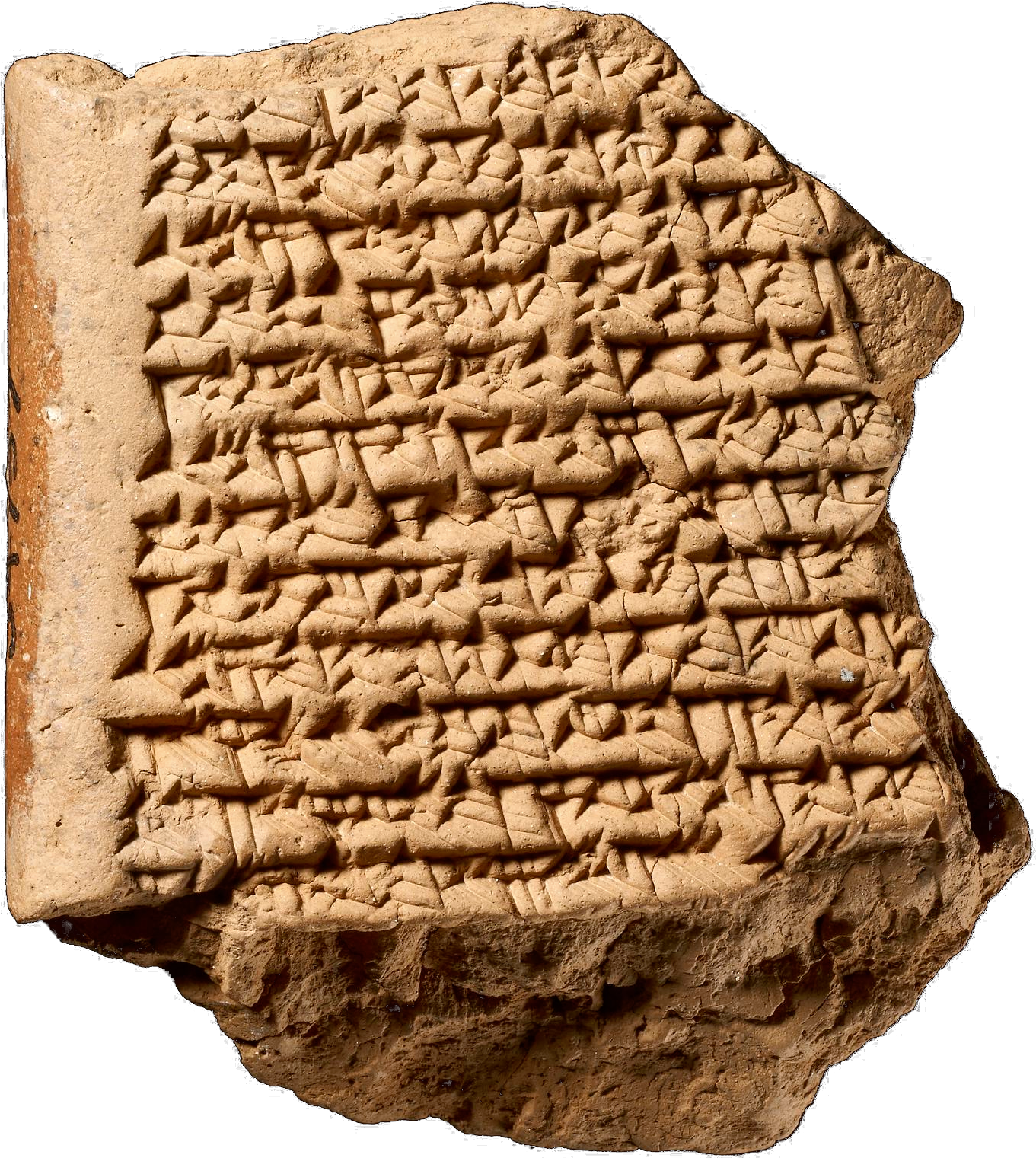
The true payoff for this new technology happened thousands of years later on the flat temple roofs of Babylon. Looking up into the clear desert night, astronomers held the same wedge-shaped reed as the ancient accountants. They pressed it into wet river clay, but they were no longer tracking sacks of barley or farm animals. They were using observations and mathematics to record the long, slow path of the planet Jupiter through the night sky. The technology created to keep tabs on sheep had grown into a tool that could map the movement of planets.
Imagine stepping back in time to watch a Babylonian astronomer climb down from the temple roof, leaving a small square of clay to dry in the desert heat. That clay will outlive the temple, the city, and the empire itself. But the ability to read those messages vanishes over time. When the alphabet eventually replaced cuneiform, the old script fell into disuse, leaving behind thousands of ancient tablets that people knew were important, but could no longer understand.
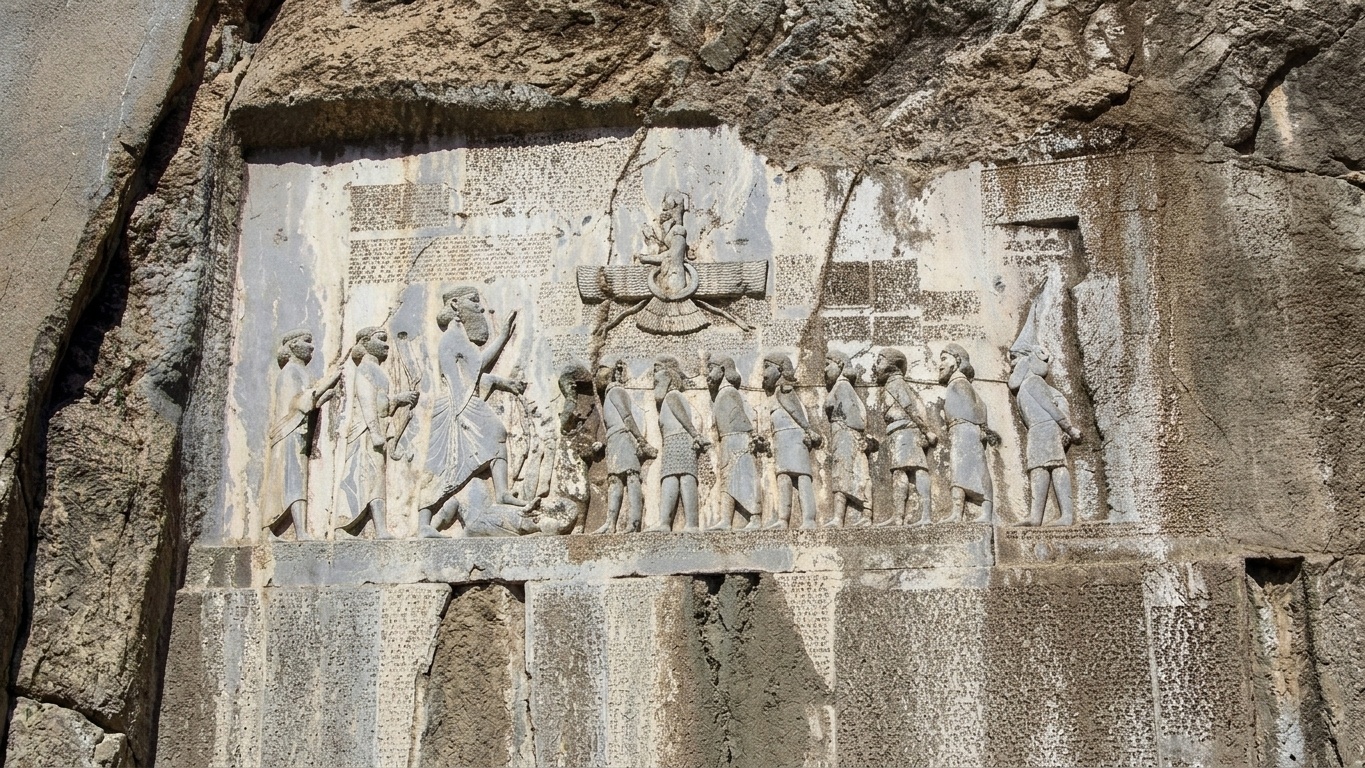
To pick the lock on that forgotten world, humanity had to solve a mystery left high on a cliff face in Iran. An ancient king had carved a massive announcement, the Bisitun Inscription, around 520 BCE. He wrote it in three separate languages so everyone in his kingdom could understand it. But to protect his legacy from being vandalised, he then commanded his soldiers to deliberately slice away the stone ledge and paths below the carving, sealing his words in a vault of thin air.
Reclaiming that lost language took gruelling, dangerous work. It was led by a man named Henry Rawlinson, who unlocked the Old Persian text in 1846 and the Babylonian script by 1852. His heroic climbs changed history; they gave us a dictionary to decode those ancient tablets. Without it, the astronomer's work would still be just meaningless patterns in clay. It reminds us that while physical objects are incredibly tough, the human meaning behind them is fragile and easily lost.
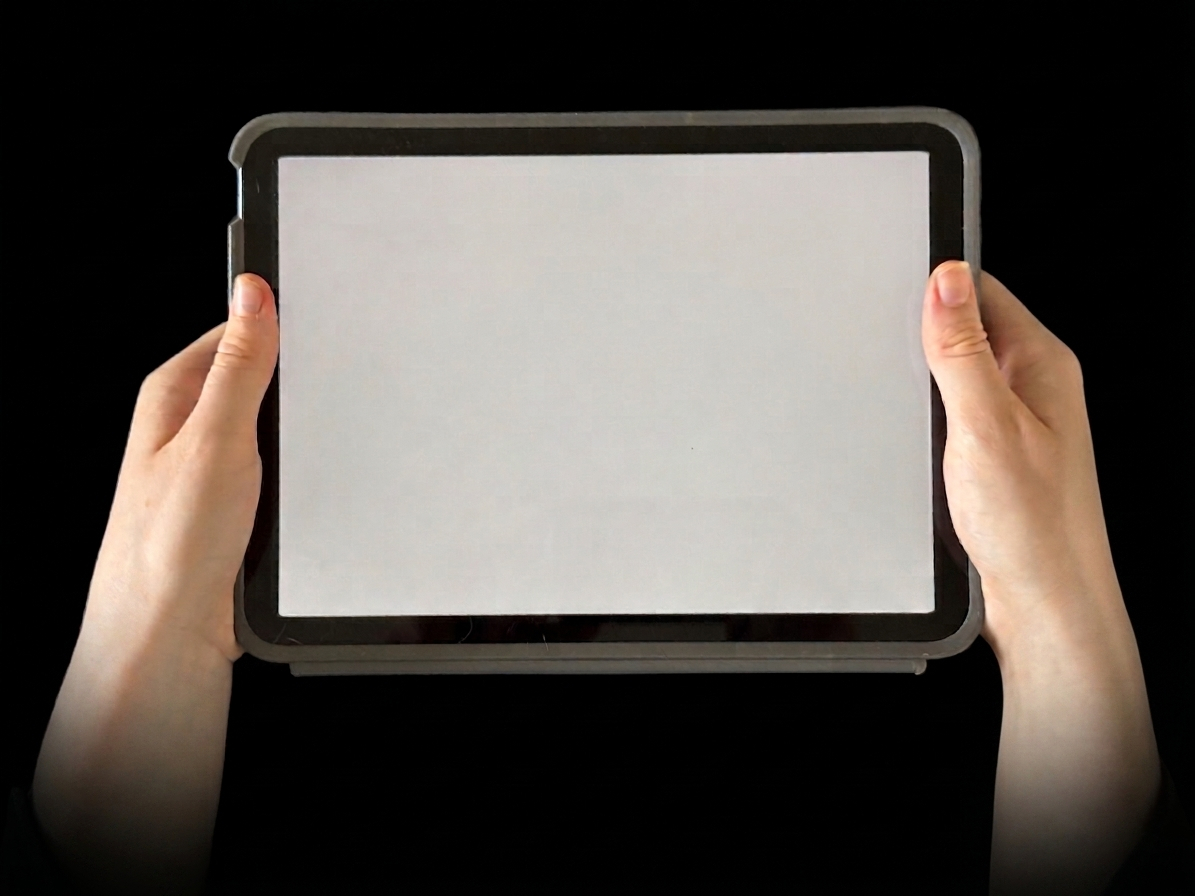
Zooming back to the present day, look down at your own hand. We began this story by looking at simple marks pressed into river mud. Thousands of years later, we are still holding tablets in the palms of our hands, watching them light up in the dark.
We've been worrying our memories away for nearly 2,400 years, exactly as Plato predicted... while writing everything down anyway.